
 ★ 8.6
Nabolister
Nabolister was a black-and-gold movie index whose home page sorted the week's favourites under five tabs: English movies, Hindi movies, German movies, TV shows and documentaries. This guide keeps those five tabs and stops the clock at 2013, the last year its list pages showed. Fifteen selections cut each tab into eras, from the Disney classics and Casablanca to The Wolf of Wall Street, from Mother India to The Lunchbox, from Metropolis to The Lives of Others, from The Twilight Zone to Breaking Bad, 179 titles in all, each with a synopsis, cast and a Watch now button that finds where to watch it legally.
The fifteen selections
1900 to 1959English movies from 1900 to 1959
Open the selection (12)★ 8.6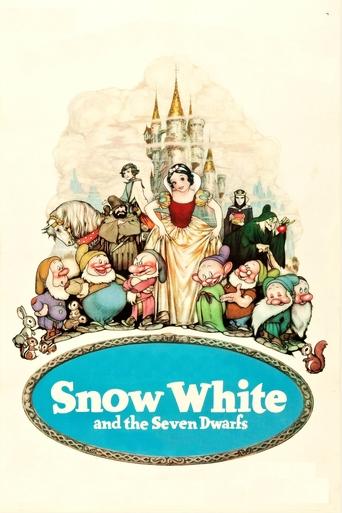 ★ 7.1
 ★ 8.3
 ★ 7.1
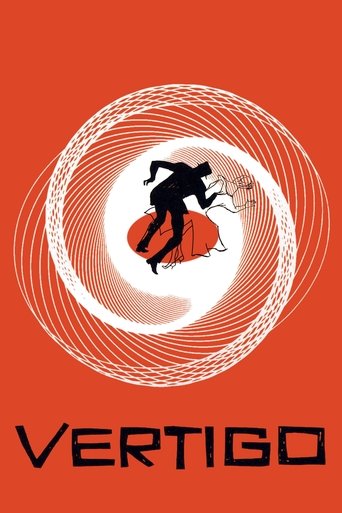 ★ 8.1
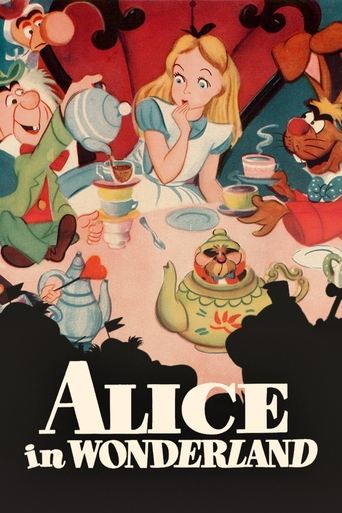 ★ 7.2
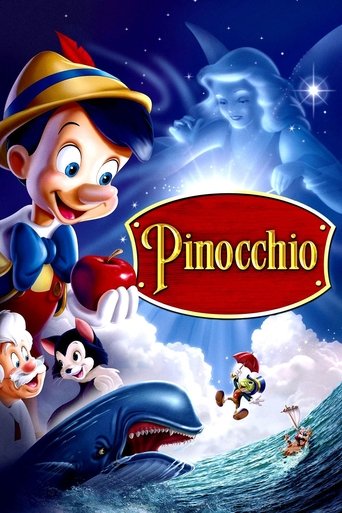 ★ 7.1
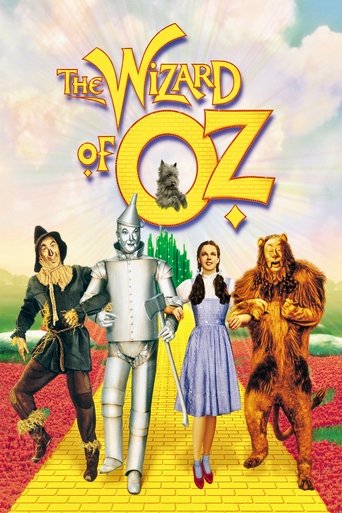 ★ 7.6
 ★ 8.0
 ★ 8.1
 ★ 7.0
 ★ 7.2
1960 to 1979English movies from 1960 to 1979
Open the selection (12)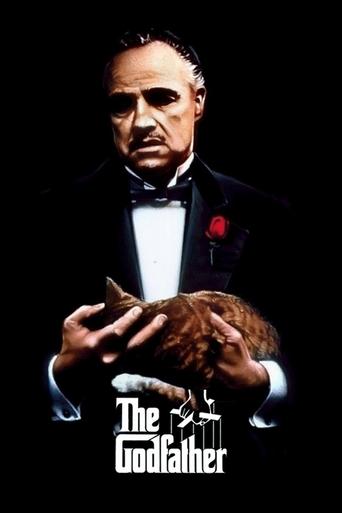 ★ 8.7
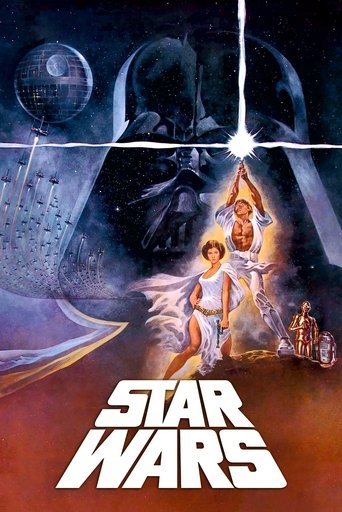 ★ 8.2
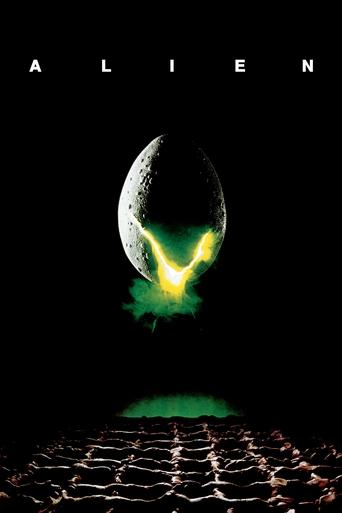 ★ 8.2
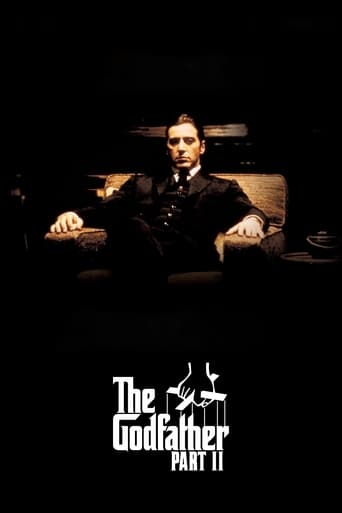 ★ 8.6
 ★ 8.2
 ★ 8.1
 ★ 8.0
 ★ 7.7
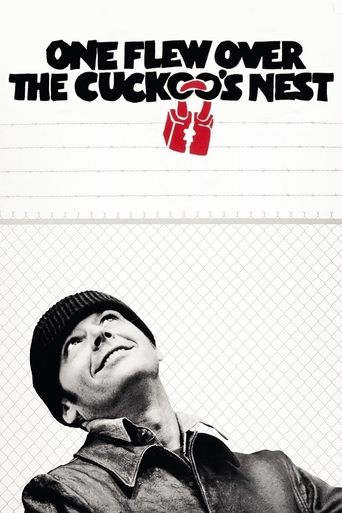 ★ 8.4
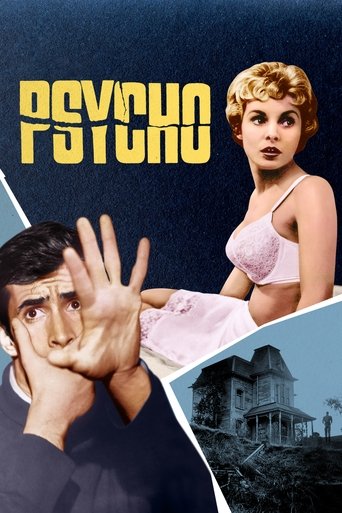 ★ 8.4
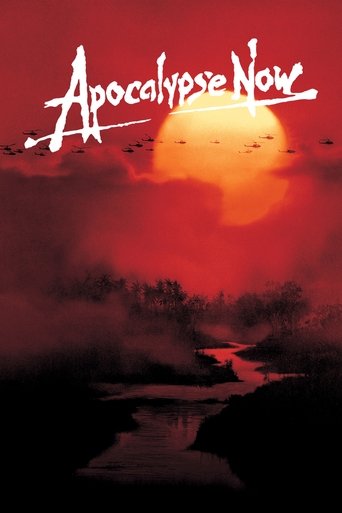 ★ 8.3
 ★ 7.8
1980 to 1999English movies from 1980 to 1999
Open the selection (12)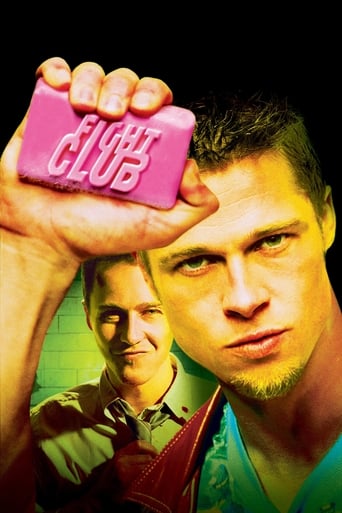 ★ 8.4
 ★ 8.7
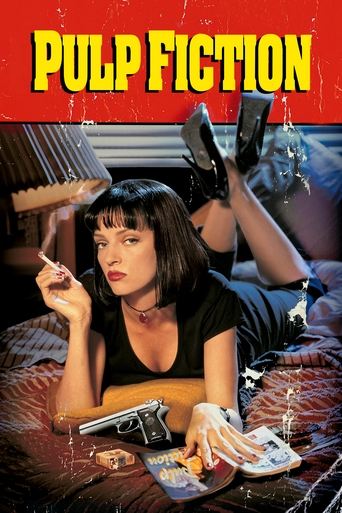 ★ 8.5
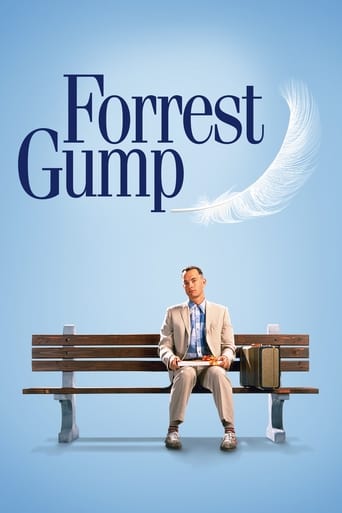 ★ 8.5
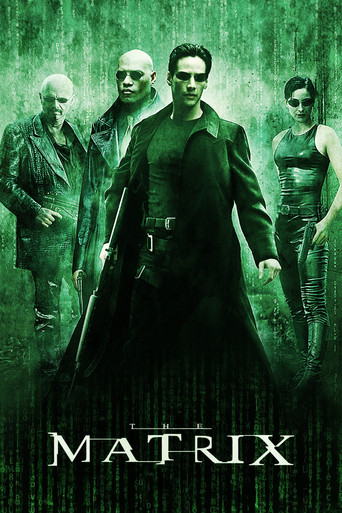 ★ 8.3
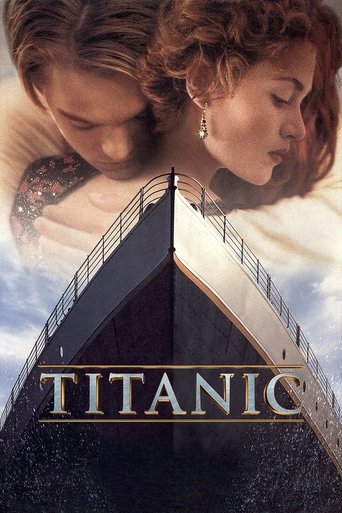 ★ 7.9
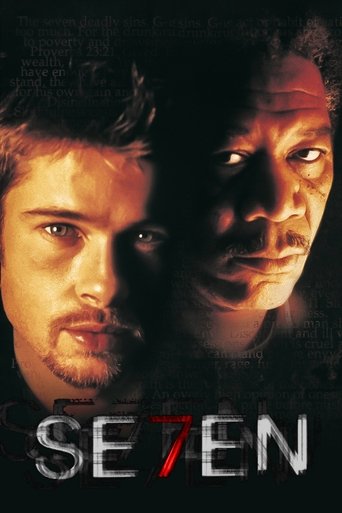 ★ 8.4
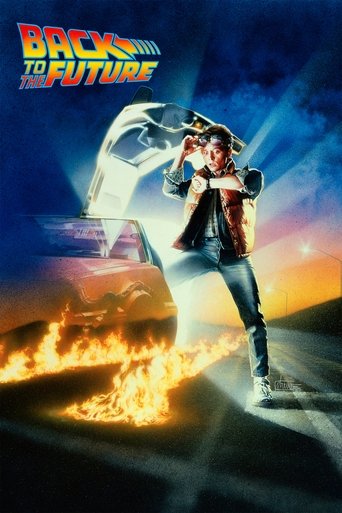 ★ 8.3
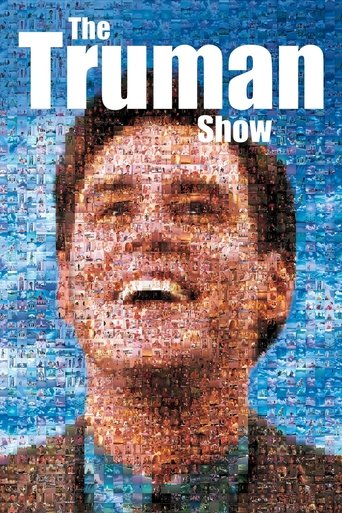 ★ 8.2
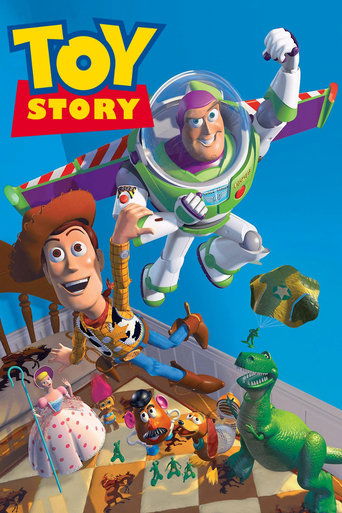 ★ 8.0
 ★ 8.3
 ★ 8.5
2000 to 2013English movies from 2000 to 2013
Open the selection (12) ★ 8.4
 ★ 8.1
 ★ 8.5
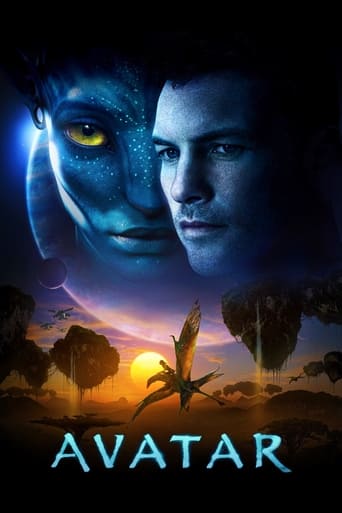 ★ 7.6
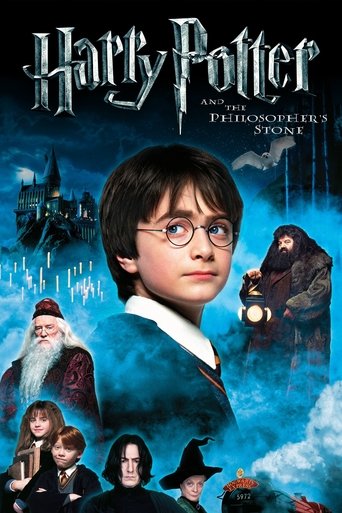 ★ 7.9
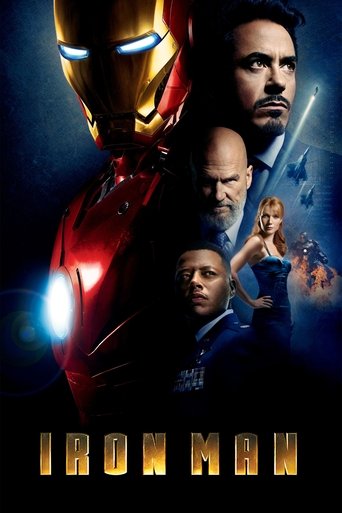 ★ 7.7
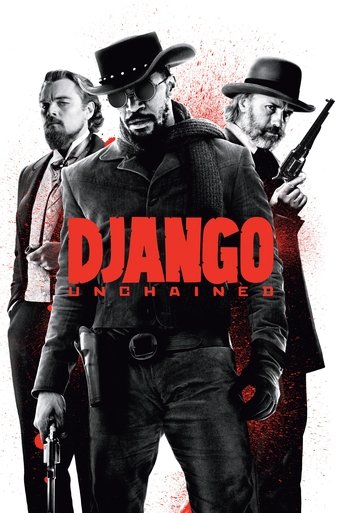 ★ 8.2
 ★ 8.4
 ★ 8.5
 ★ 8.0
 ★ 8.2
 ★ 7.8
1950 to 1989Hindi movies from 1950 to 1989
Open the selection (12) ★ 7.1
 ★ 7.0
 ★ 6.0
 ★ 7.3
 ★ 6.9
 ★ 7.0
 ★ 7.6
 ★ 6.6
 ★ 7.3
 ★ 6.9
 ★ 7.3
 ★ 7.2
1990 to 2004Hindi movies from 1990 to 2004
Open the selection (12)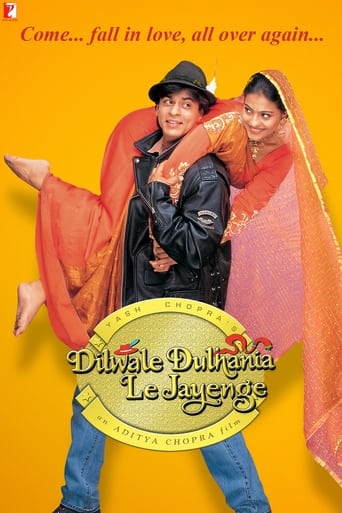 ★ 8.5
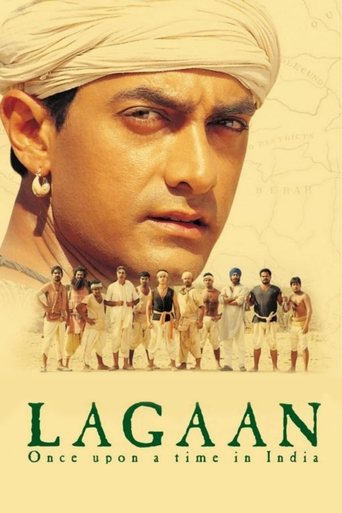 ★ 7.3
 ★ 7.7
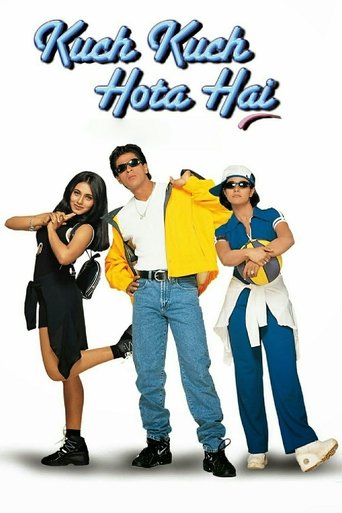 ★ 7.5
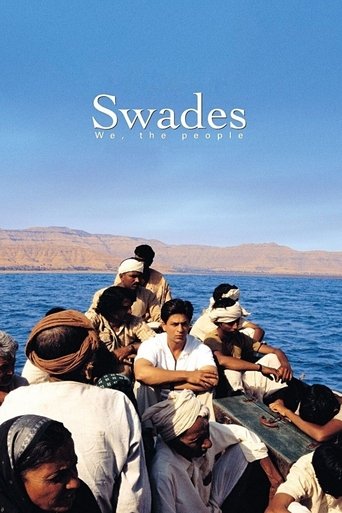 ★ 7.4
 ★ 7.5
 ★ 7.2
 ★ 6.9
 ★ 7.2
 ★ 7.5
 ★ 7.1
 ★ 7.0
2005 to 2013Hindi movies from 2005 to 2013
Open the selection (12)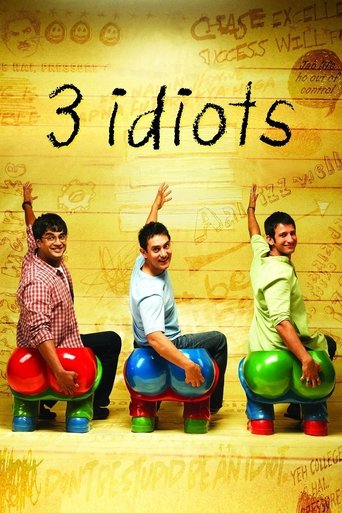 ★ 8.0
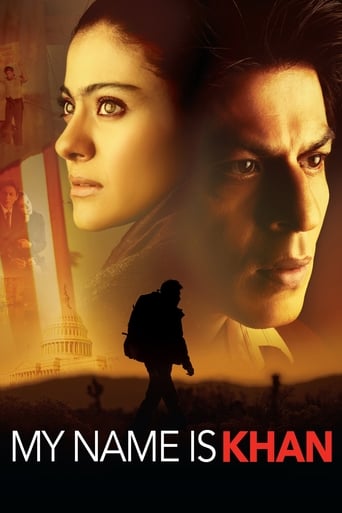 ★ 8.0
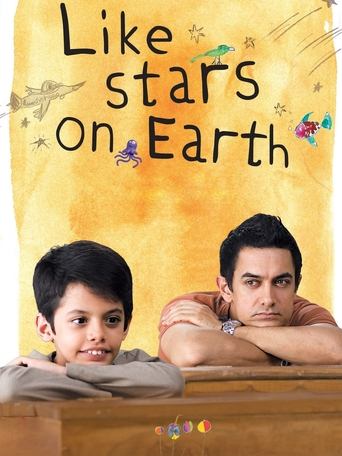 ★ 8.0
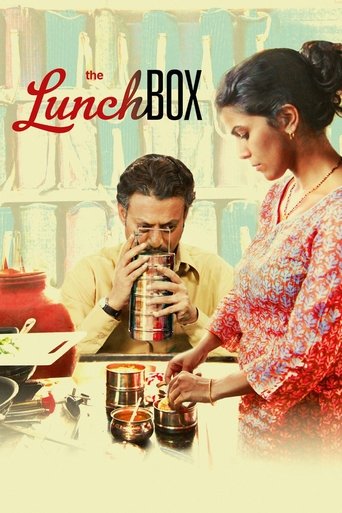 ★ 7.4
 ★ 7.1
 ★ 7.0
 ★ 7.1
 ★ 7.6
 ★ 7.1
 ★ 6.5
 ★ 7.2
 ★ 7.6
1920 to 1969German movies from 1920 to 1969
Open the selection (12)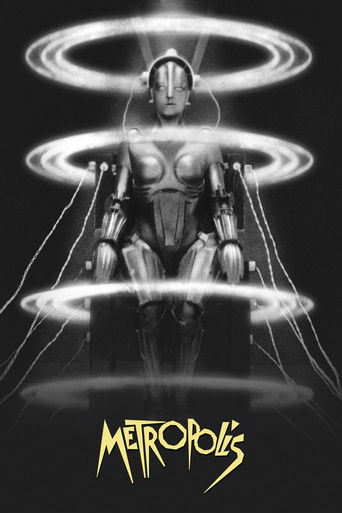 ★ 8.1
 ★ 8.1
 ★ 7.7
 ★ 7.9
 ★ 7.2
 ★ 7.3
 ★ 7.9
 ★ 7.3
 ★ 7.0
 ★ 7.8
 ★ 7.1
 ★ 7.6
1970 to 1999German movies from 1970 to 1999
Open the selection (12) ★ 7.2
 ★ 7.3
 ★ 8.1
 ★ 7.8
 ★ 7.4
 ★ 7.3
 ★ 7.6
 ★ 6.2
 ★ 7.3
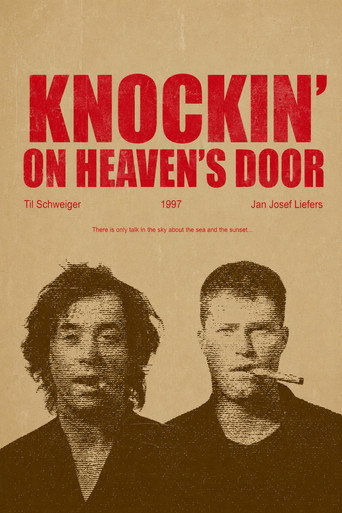 ★ 7.7
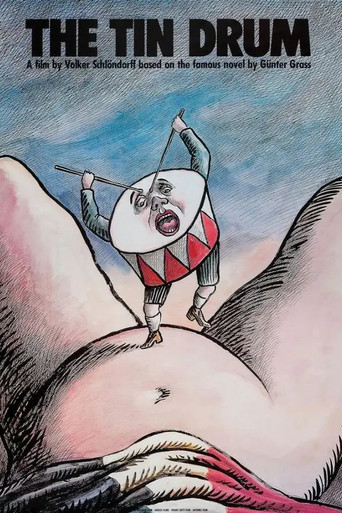 ★ 7.0
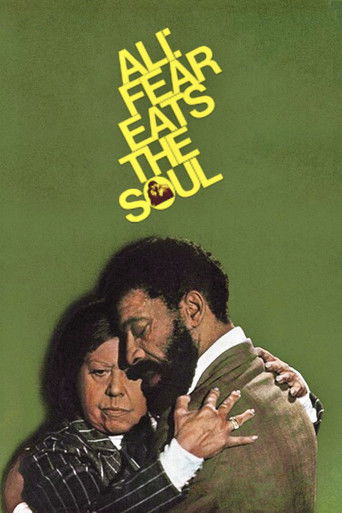 ★ 7.7
2000 to 2013German movies from 2000 to 2013
Open the selection (12)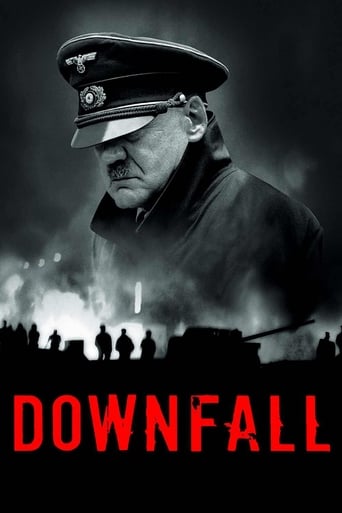 ★ 7.9
 ★ 8.0
 ★ 7.5
 ★ 7.5
 ★ 7.4
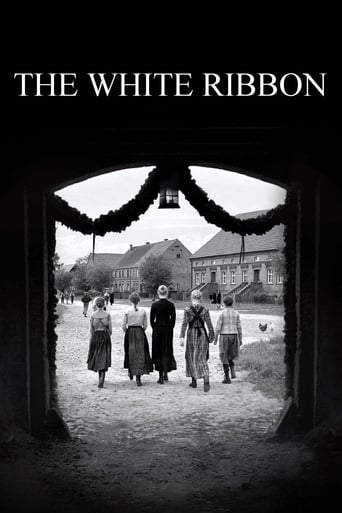 ★ 7.5
 ★ 6.9
 ★ 7.7
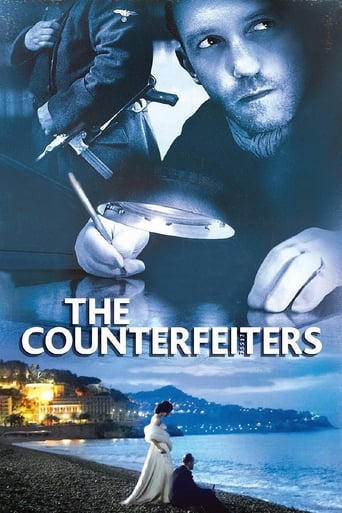 ★ 7.4
 ★ 7.0
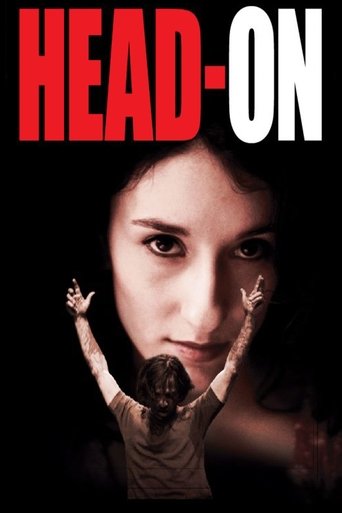 ★ 7.5
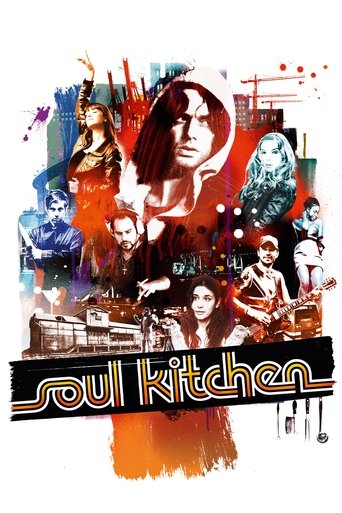 ★ 6.9
1959 to 1989TV shows first aired from 1959 to 1989
Open the selection (12)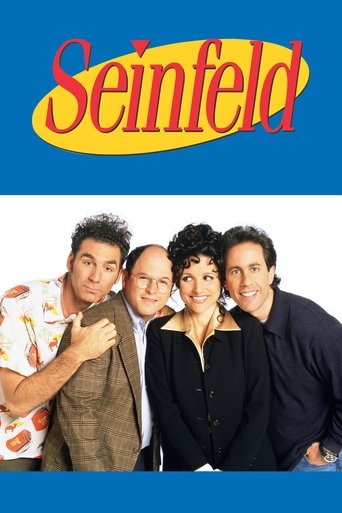 ★ 8.3
 ★ 8.4
 ★ 8.0
 ★ 7.5
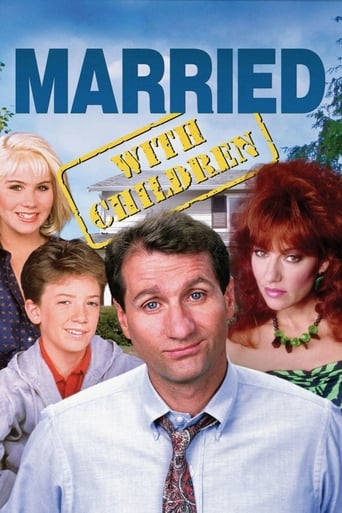 ★ 7.7
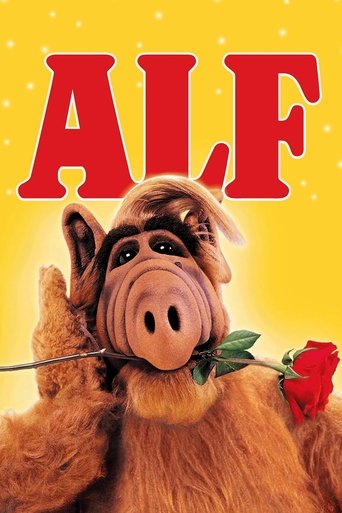 ★ 7.6
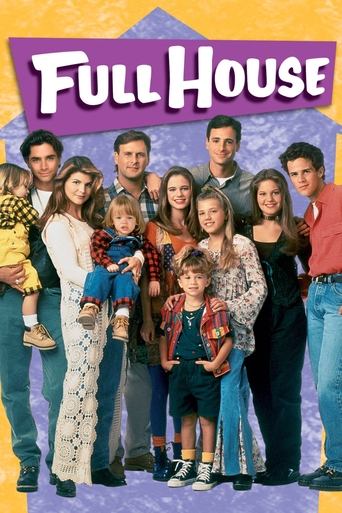 ★ 7.5
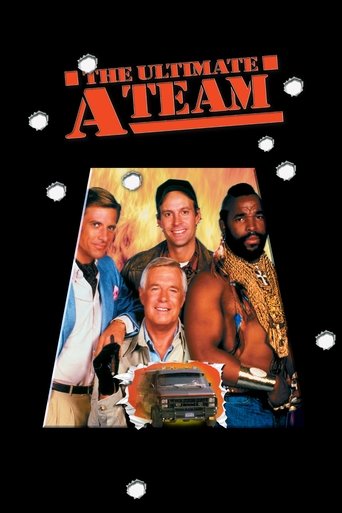 ★ 7.5
 ★ 8.4
 ★ 8.5
 ★ 8.0
 ★ 8.0
1990 to 2004TV shows first aired from 1990 to 2004
Open the selection (12)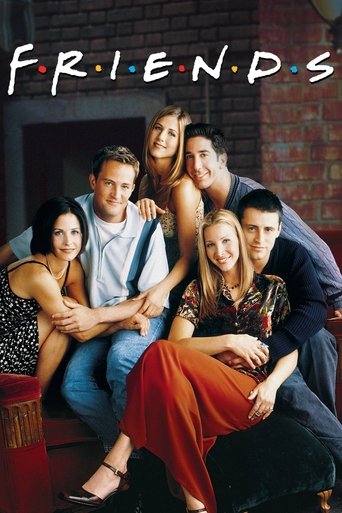 ★ 8.4
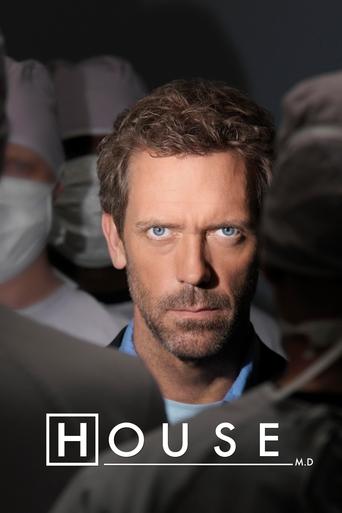 ★ 8.6
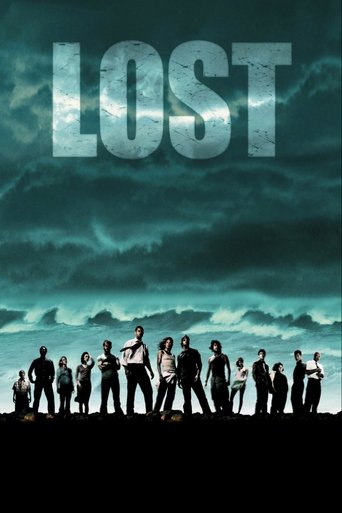 ★ 8.0
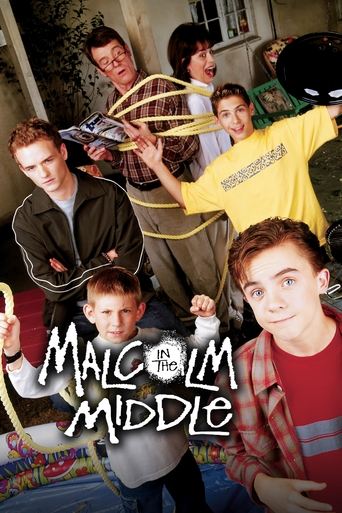 ★ 8.5
 ★ 8.2
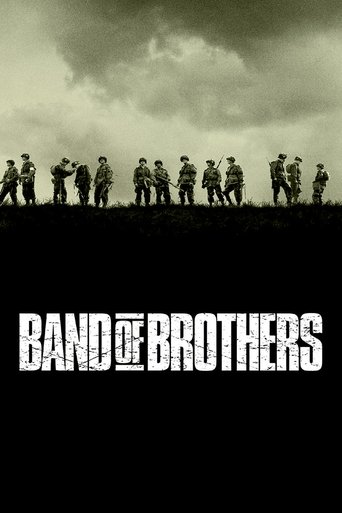 ★ 8.6
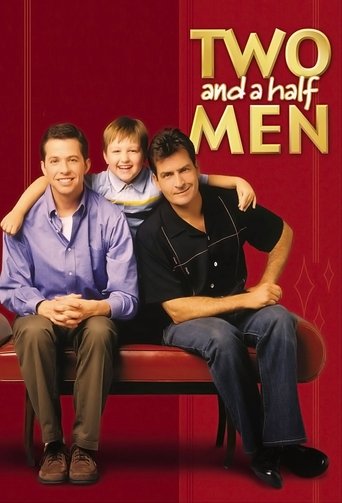 ★ 7.4
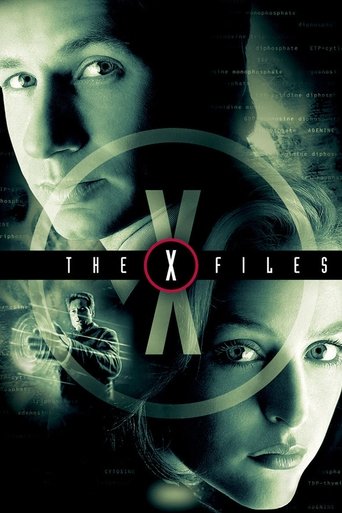 ★ 8.4
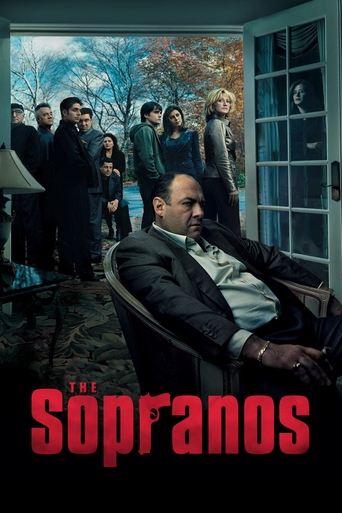 ★ 8.7
 ★ 6.9
 ★ 8.6
 ★ 8.3
2005 to 2013TV shows first aired from 2005 to 2013
Open the selection (12)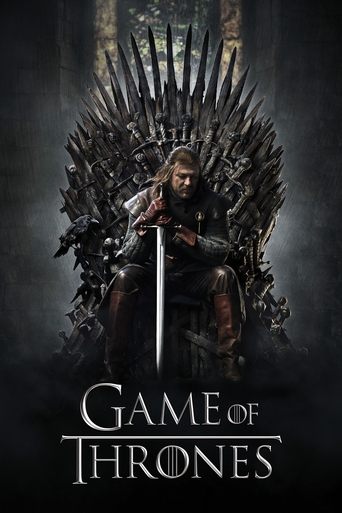 ★ 8.5
 ★ 9.0
 ★ 8.1
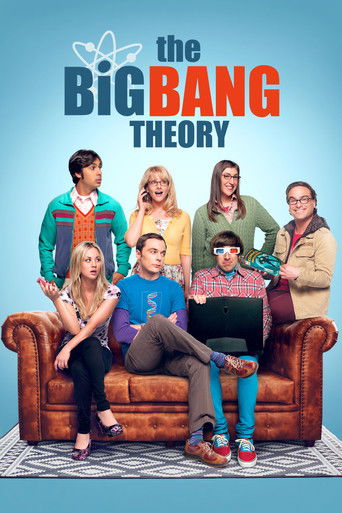 ★ 7.9
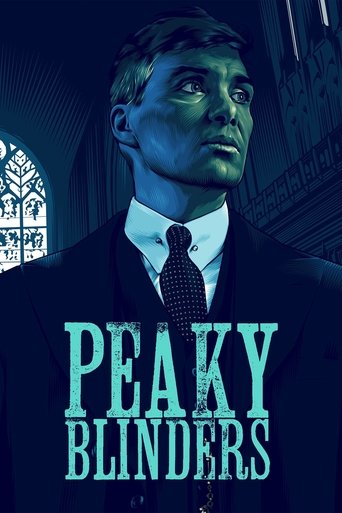 ★ 8.5
 ★ 8.3
 ★ 8.1
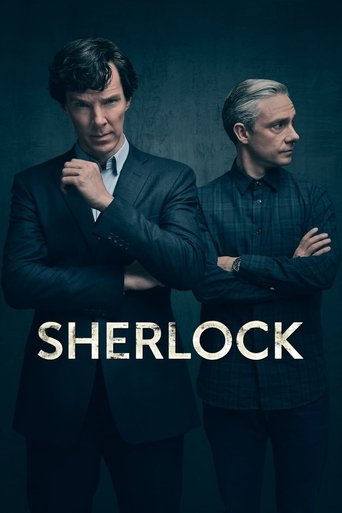 ★ 8.5
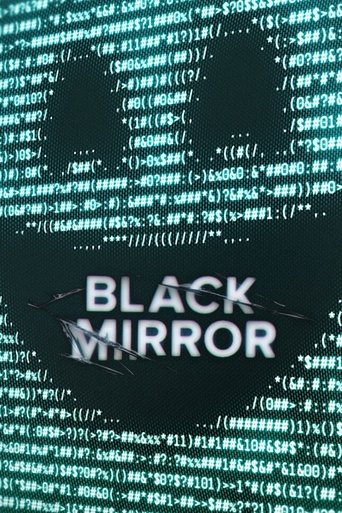 ★ 8.3
 ★ 6.8
 ★ 8.1
 ★ 8.1
1922 to 1999Documentaries from 1922 to 1999
Open the selection (11)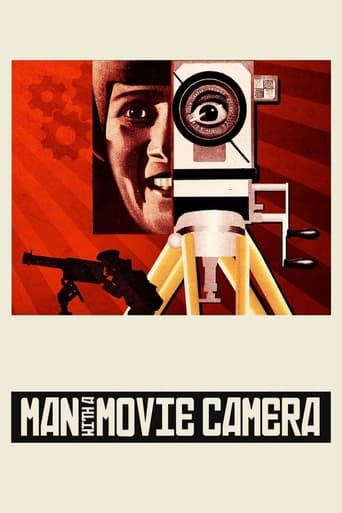 ★ 7.8
 ★ 7.9
 ★ 8.2
 ★ 8.3
 ★ 8.0
 ★ 7.2
 ★ 7.6
 ★ 7.9
 ★ 7.7
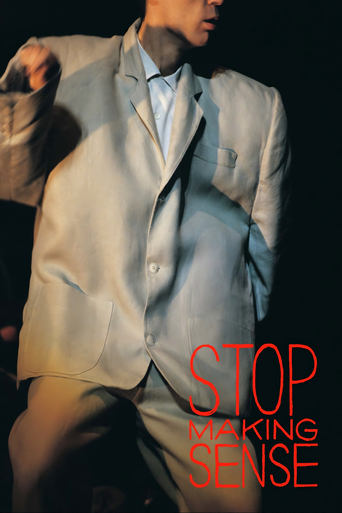 ★ 8.4
 ★ 7.5
2000 to 2013Documentaries from 2000 to 2013
Open the selection (12) ★ 6.7
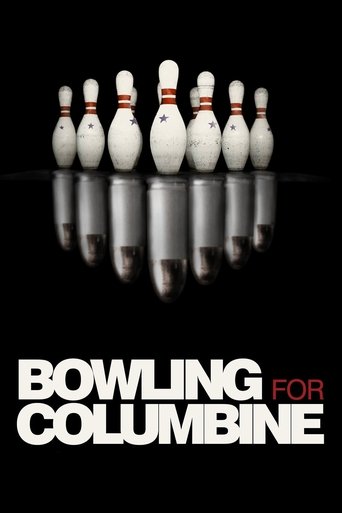 ★ 7.5
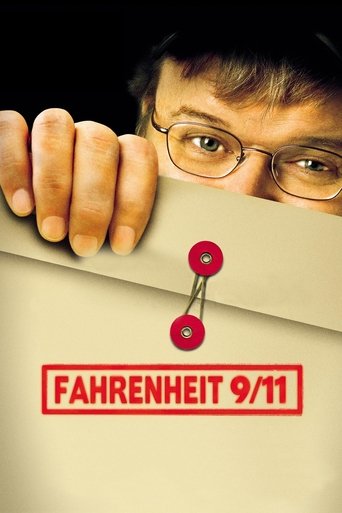 ★ 7.1
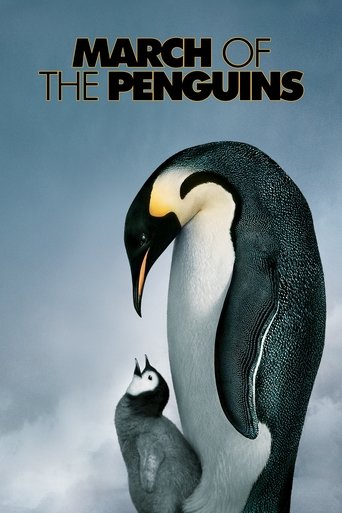 ★ 7.1
 ★ 8.1
 ★ 7.9
 ★ 7.4
 ★ 7.7
 ★ 7.7
 ★ 8.2
 ★ 7.9
 ★ 7.4
The Nabolister guide
Nabolister: the movie index, up to 2013
An index with five tabs
Some film sites try to be everything at once. Nabolister, as the Wayback Machine kept it, preferred a simpler promise: a giant index of movies and shows, laid out on a black page with gold links, and a home page that sorted the favourites of the week under five tabs. English Movies, Hindi Movies, German Movies, TV-Shows and Documentaries sat side by side at the top of that list, with a gold tab marking the one you were reading. Its list pages announced their contents in a plain sentence: current selection, english movies, from year 1900 to year 2013.
This guide keeps that shape and takes the sentence literally. Nabolister here is an index with five tabs and a clock that stops at 2013. Each tab is cut into eras, and each era becomes a selection of the titles that the most viewers have rated on TMDB. There are fifteen selections in all: four for English movies, three for Hindi movies, three for German movies, three for TV shows and two for documentaries. Together they hold 179 titles, 143 movies and documentaries and 36 TV shows, from The Cabinet of Dr. Caligari in 1920 to The Wolf of Wall Street, Peaky Blinders and The Lunchbox in 2013.
The result is a map of what an index like this one would have shown in its last years: the films and shows that people kept coming back to, grouped by language and by time. It is also a reading list. Every selection is short enough to scan in a minute and deep enough to fill a season of evenings.
How a selection is made
Each selection starts from a question the old list pages could answer with two menus: which language, and which years. For English movies the question is asked four times, for 1900 to 1959, 1960 to 1979, 1980 to 1999 and 2000 to 2013. Hindi movies get three eras, 1950 to 1989, 1990 to 2004 and 2005 to 2013. German movies also get three, 1920 to 1969, 1970 to 1999 and 2000 to 2013. TV shows are grouped by the year they first aired, in three eras up to 2013. Documentaries, the smallest tab, are split once, at the turn of the century.
Inside each era the titles are ranked by the number of votes they have on TMDB, the community film database, and only titles rated 6.0 or more are kept. The twelve most voted titles become the selection; the second documentary era holds twelve and the first holds eleven. A short hand screening removed a few films that would sit badly in a general guide, among them Funny Games, 3096 Days and the Jackass films, and two titles whose names would clash with the rules of this site. TV shows with more than twelve seasons were left to other guides, so that every show here can be followed from its first episode to its last.
The ranking is a measure of reach, of how many people cared enough to rate a title, and it says less about quality than about memory. That is why the selections mix the obvious and the surprising. The first English selection is half Disney, because generations of families have rated Snow White, Cinderella and Peter Pan. The first Hindi selection is led by Sholay, a film from 1975 with 338 votes, while the most voted Hindi film in the index, Dilwale Dulhania Le Jayenge, has 4,635.
Nabolister in figures
The 179 titles span ninety-three years, from 1920 to 2013. The 2000s are the busiest decade with 51 titles, followed by the 1990s with 26, the 2010s with 26 and the 1970s with 23. The thinnest decade is the 1960s, with three titles: Psycho in 1960, Star Trek in 1966 and 2001: A Space Odyssey in 1968. By country of production, the United States leads with 83 titles, India follows with 33 and Germany with 30; Britain, France and Austria add most of the rest.
The average TMDB rating across the index is 7.75, and 75 titles are rated 8.0 or more. The highest rating belongs to Breaking Bad with 9.0, followed by The Godfather, The Shawshank Redemption and The Sopranos with 8.7. At the other end, the lowest rating kept is 6.0, for Maine Pyar Kiya, the 1989 romance with Salman Khan and Bhagyashree. Together the 179 titles have gathered more than 1.25 million votes, and the 36 TV shows hold 4,689 dated episodes across 247 seasons.
English movies: four selections
The English movies tab is the largest, with 48 films in four selections of twelve. It is also the most voted part of the index by a wide margin: these 48 films hold about 946,000 votes, about three times as many as the other 131 titles together. The average rating of the tab is 8.07, and 34 of its films are rated 8.0 or more. The shortest film is Bambi at 70 minutes and the longest is The Godfather Part II at 202.
English movies from 1900 to 1959
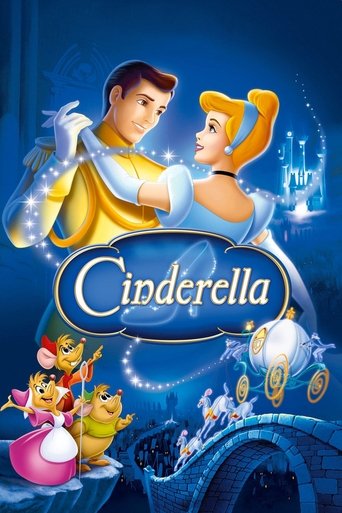
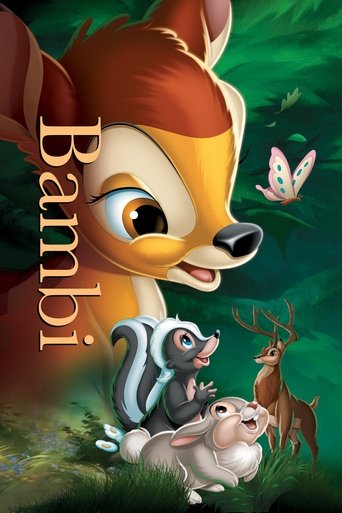
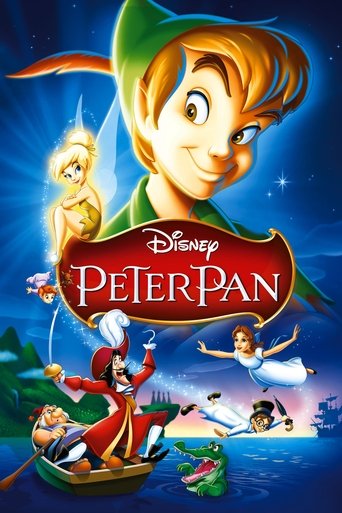
The first English selection runs from 1938 to 1958 in practice, because the earliest English-language films that still gather thousands of votes come from the late 1930s. Six of its twelve films are Disney animated features: Snow White and the Seven Dwarfs from 1938, Pinocchio from 1940, Bambi from 1942, Cinderella from 1950, Alice in Wonderland from 1951 and Peter Pan from 1953. They are films that families have watched together for generations.
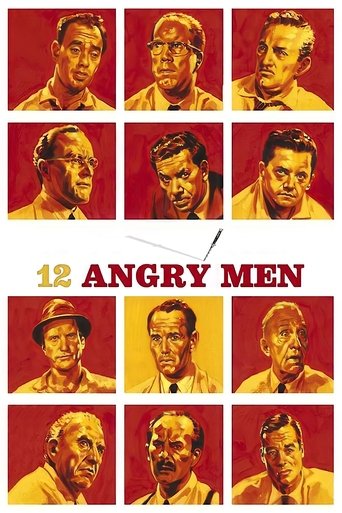
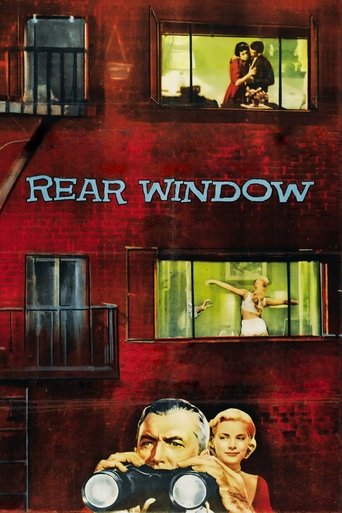
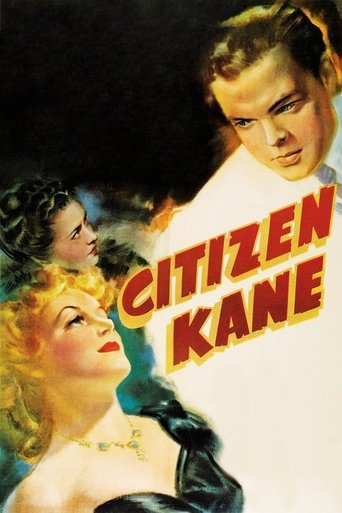
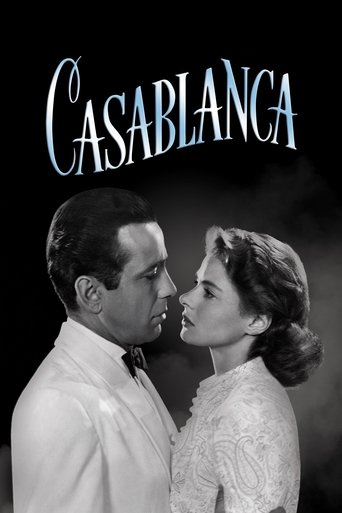
The other six are the classics that every film course reaches sooner or later. 12 Angry Men from 1957 leads the selection with 10,526 votes and the best rating, 8.6: one jury room, twelve men and a single dissenting voice. Alfred Hitchcock appears twice, with Rear Window in 1954 and Vertigo in 1958, both starring James Stewart. The Wizard of Oz, Citizen Kane and Casablanca complete the list, three films from 1939 to 1943 that are still widely quoted.
English movies from 1960 to 1979
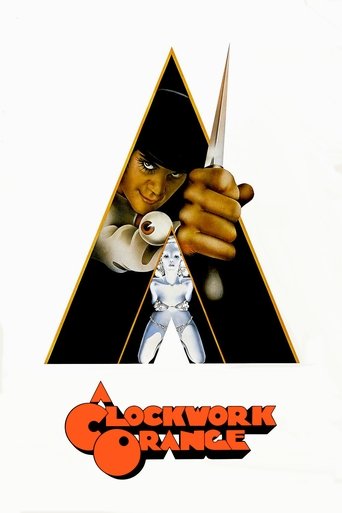
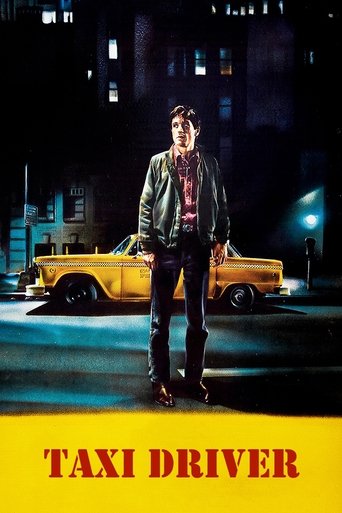
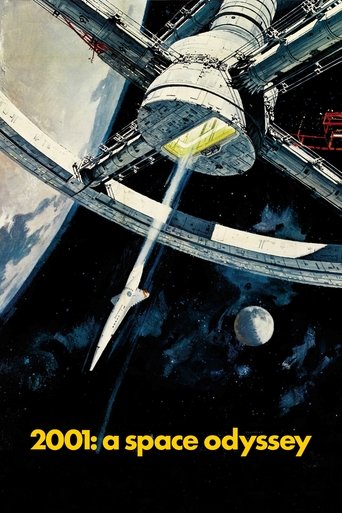
The second English selection is the age of the auteurs and the first blockbusters. The Godfather from 1972 leads with 23,842 votes and a rating of 8.7, and its sequel from 1974 is rated 8.6. Francis Ford Coppola directed both and also Apocalypse Now in 1979, so a quarter of this selection is his. Stanley Kubrick has two films, 2001: A Space Odyssey in 1968 and A Clockwork Orange in 1971, and Martin Scorsese has Taxi Driver from 1976.
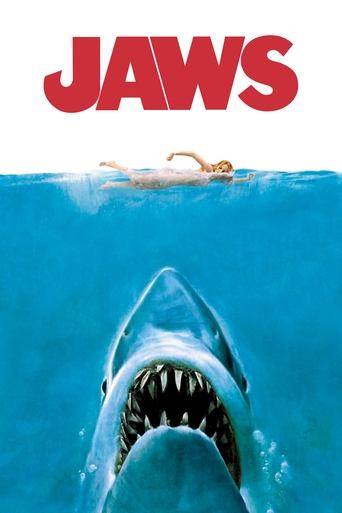
The same years also brought the big summer releases of the decade. Jaws arrived in 1975, Star Wars in 1977 and Alien in 1979, while Rocky was the boxing drama that started a long series. Psycho, from 1960, opens the selection; One Flew Over the Cuckoo's Nest, from 1975, is rated 8.4, like Psycho. Ten of the twelve films are rated 8.0 or more, and the selection averages 8.21.
English movies from 1980 to 1999
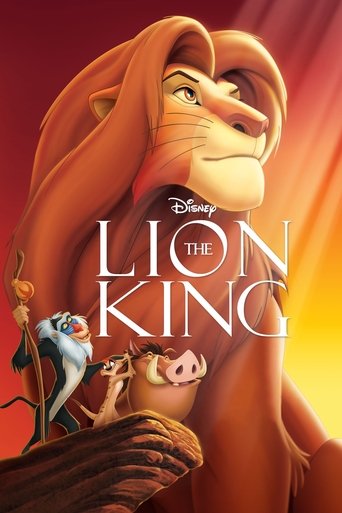
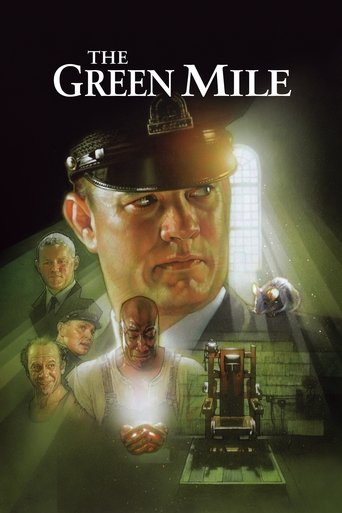
The third English selection has the highest average rating of the fifteen, 8.32, and eleven of its twelve films are rated 8.0 or more. It is also a selection of the 1990s more than the 1980s: only Back to the Future, from 1985, comes from the earlier decade. Four films are from 1994 alone, The Shawshank Redemption, Pulp Fiction, Forrest Gump and The Lion King, and three from 1999, Fight Club, The Matrix and The Green Mile.
Fight Club leads the selection with 33,127 votes, and The Shawshank Redemption has the best rating with 8.7. Several directors and actors return. Frank Darabont made both The Shawshank Redemption and The Green Mile; David Fincher made Se7en and Fight Club; Robert Zemeckis made Back to the Future and Forrest Gump. Tom Hanks appears in Forrest Gump, The Green Mile and as the voice of Woody in Toy Story, and Morgan Freeman in The Shawshank Redemption and Se7en. Titanic and The Truman Show complete a selection that reads like a list of the decade's most familiar films.
English movies from 2000 to 2013
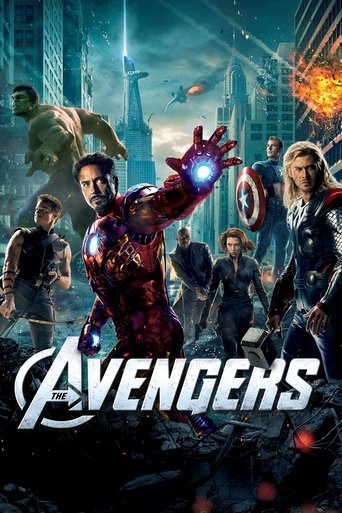
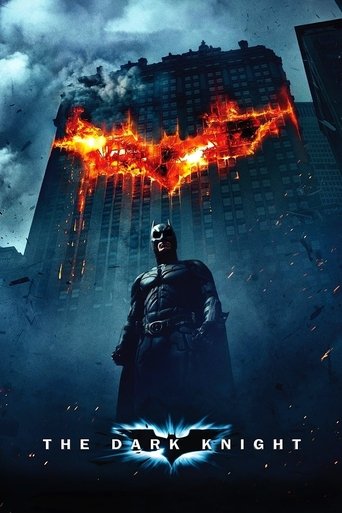
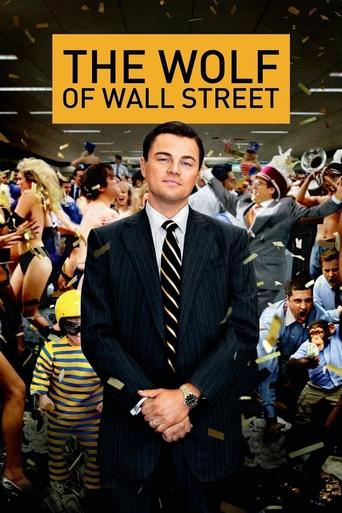
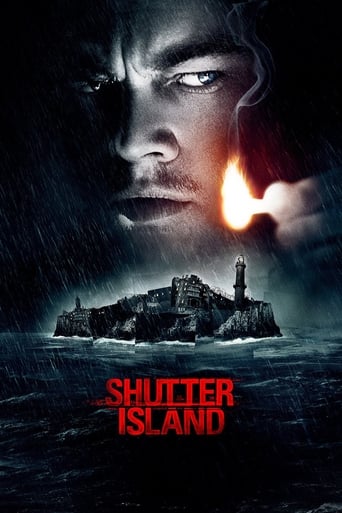
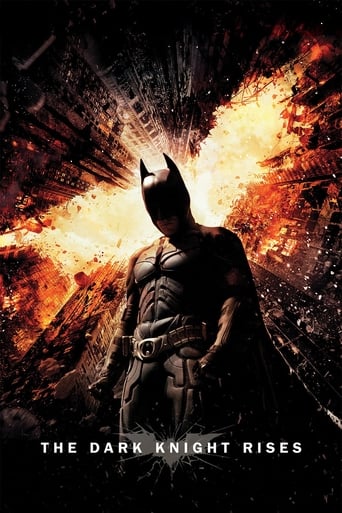
The last English selection is the most voted of all fifteen, with 376,171 votes. Inception leads it with 40,554 votes, followed closely by The Avengers with 40,161 and The Dark Knight with 37,083. Christopher Nolan directed three of its twelve films, adding The Dark Knight Rises, and Martin Scorsese directed two, Shutter Island and The Wolf of Wall Street, the only film of 2013 on the English tab.
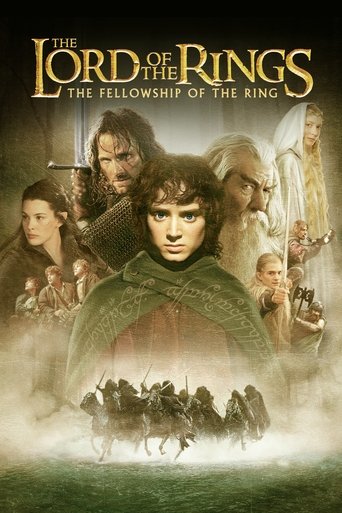
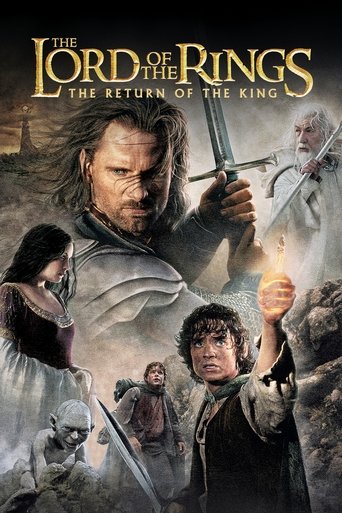
Leonardo DiCaprio is the actor of this selection: he stars in Inception, Shutter Island, The Wolf of Wall Street and Django Unchained, and with Titanic in the previous era he appears in five English movies of the index. Peter Jackson's Lord of the Rings has two chapters here, The Fellowship of the Ring from 2001 and The Return of the King from 2003, the latter rated 8.5 like The Dark Knight. The first Harry Potter film, Avatar and Iron Man complete the twelve.
Hindi movies: three selections
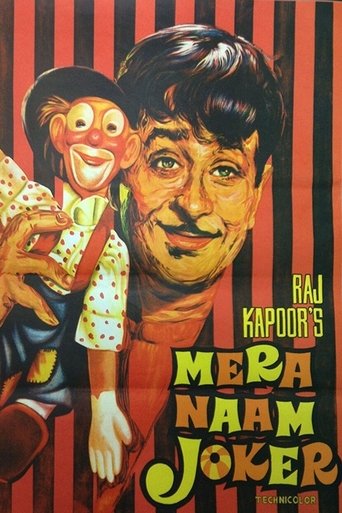
The second tab of the old home page was Hindi Movies, and it remains the second in this index. Its 36 films come from 1957 to 2013 and average 172 minutes, the longest films of any tab by far: the average English movie here runs 131 minutes and the average German one 114. The longest film in the whole index is Mera Naam Joker, Raj Kapoor's circus drama of 1970, at 248 minutes; the shortest Hindi film is The Lunchbox from 2013, at 104.
Vote counts on TMDB are much lower for Hindi films than for Hollywood ones, so the Hindi selections hold 21,014 votes between them, about a forty-fifth of the English tab. The ratings are steady all the same: the tab averages 7.27, and four of its films are rated 8.0 or more.
Hindi movies from 1950 to 1989
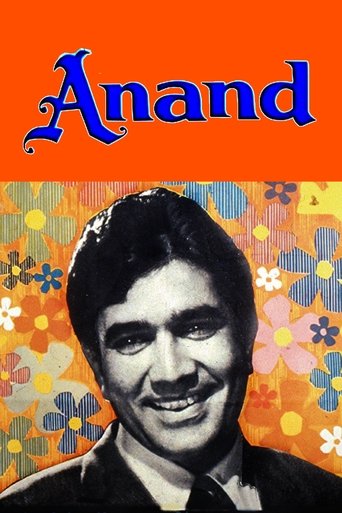
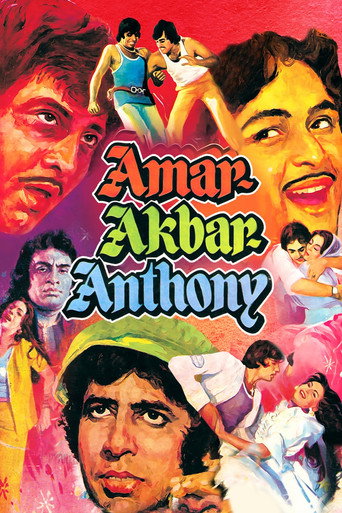
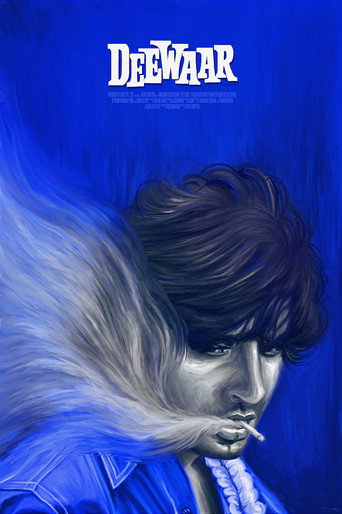
The first Hindi selection covers the years from Mother India and Pyaasa, both from 1957, to Maine Pyar Kiya in 1989. Sholay, Ramesh Sippy's action film of 1975 with Dharmendra and Amitabh Bachchan, leads with 338 votes. Amitabh Bachchan is the face of this selection: he also appears in Anand, Deewaar, Don and Amar Akbar Anthony, five of its twelve films.
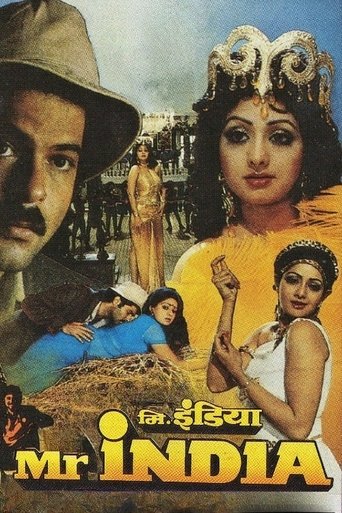
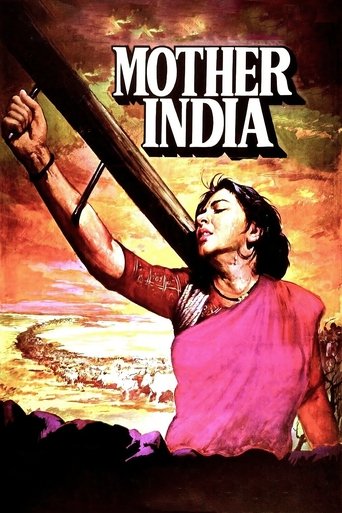
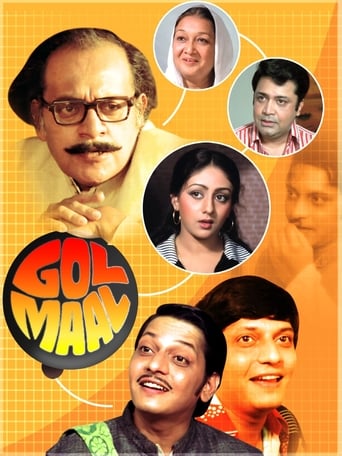
The selection shows the range of popular Hindi cinema across three decades. Mother India is the epic of a village mother; Pyaasa, directed by and starring Guru Dutt, follows a poet whom the world ignores until it believes he is dead. Gol Maal, Hrishikesh Mukherjee's office comedy of 1979, has the best rating here, 7.6, and Mukherjee also directed Anand. Salaam Bombay!, Mira Nair's film about street children in Mumbai, comes from 1988, and Mr. India, from 1987, is the science-fiction comedy about an invisible hero.
Hindi movies from 1990 to 2004
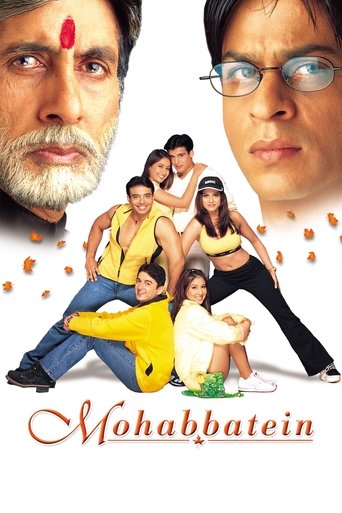
The second Hindi selection belongs to Shah Rukh Khan, who stars in seven of its twelve films. Dilwale Dulhania Le Jayenge from 1995 leads with 4,635 votes and a rating of 8.5, the only Hindi film of the index above 8.0 from before 2005. Aditya Chopra directed it, and he returned in 2000 with Mohabbatein. Karan Johar's Kuch Kuch Hota Hai from 1998 and Kabhi Khushi Kabhie Gham from 2001 both pair Shah Rukh Khan with Kajol.
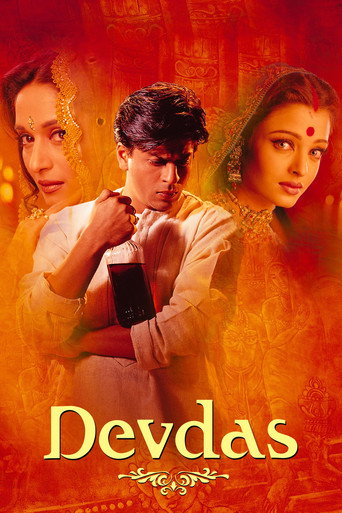
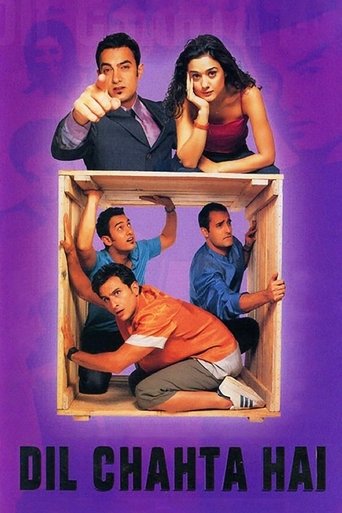
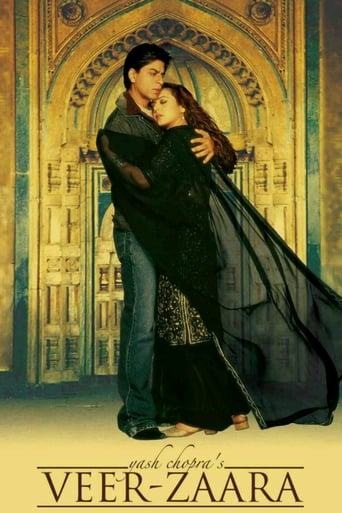
The selection also holds the period epics of those years. Lagaan: Once Upon a Time in India, Ashutosh Gowariker's cricket epic of 2001, runs 233 minutes; Gowariker followed it with Swades in 2004. Devdas, Sanjay Leela Bhansali's lavish tragedy of 2002, and Veer-Zaara, Yash Chopra's cross-border love story of 2004, show the romantic side of the era, while Hera Pheri, Dil Chahta Hai and Munna Bhai M.B.B.S. show its comedies and friendships.
Hindi movies from 2005 to 2013
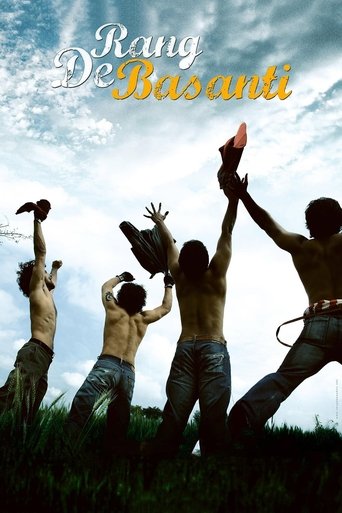
The last Hindi selection is the best rated of the three, with an average of 7.40 and three films rated 8.0: 3 Idiots, My Name Is Khan and Like Stars on Earth. 3 Idiots, Rajkumar Hirani's college comedy of 2009, leads with 2,884 votes. Aamir Khan stars in 3 Idiots, Like Stars on Earth, which he also directed, Rang De Basanti and Ghajini, four films of this selection.
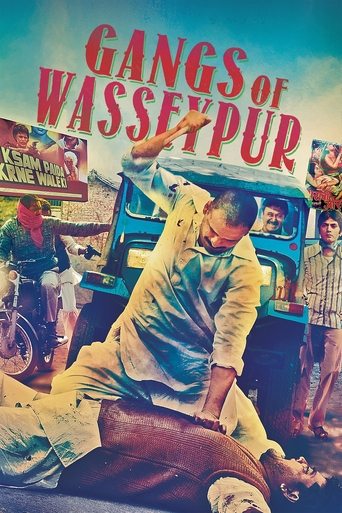
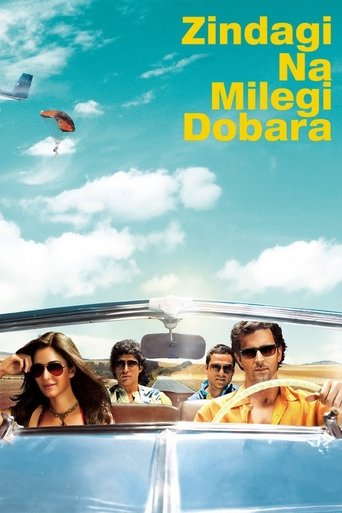
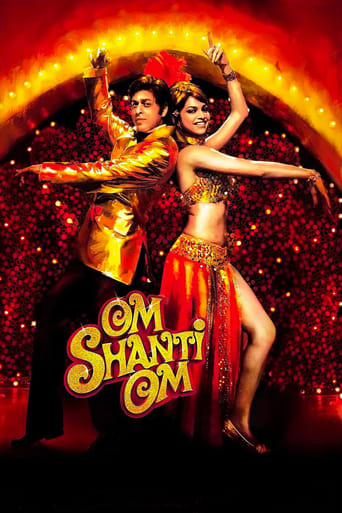
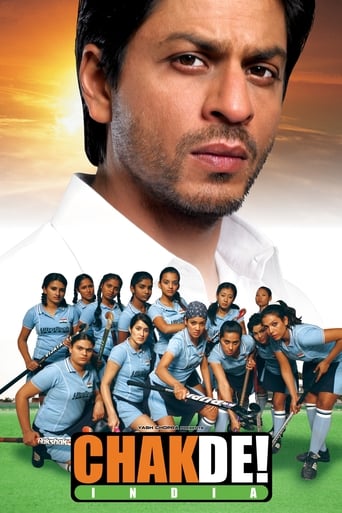
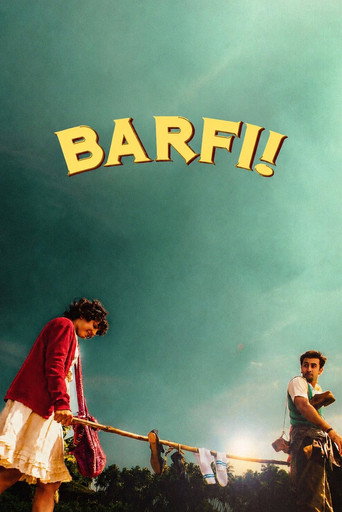
Two films of 2013 close the tab, and they could hardly be more different. Chennai Express is a loud road comedy with Shah Rukh Khan and Deepika Padukone; The Lunchbox is a quiet story of letters passed between strangers in a lunch tin, with Irrfan Khan. Between them sit Gangs of Wasseypur - Part 1, Anurag Kashyap's crime saga, Zindagi Na Milegi Dobara, a road trip through Spain, Om Shanti Om, Chak De! India and Barfi!.
German movies: three selections
German Movies was the third tab of the old home page, and here it holds 36 German-language films from 1920 to 2013, made in Germany and Austria and in co-productions with France, Italy, Turkey and others. The tab averages 7.46, and four of its films are rated 8.0 or more: Metropolis, M, Das Boot and The Lives of Others. The films are the shortest of the three movie tabs, 114 minutes on average, from Vampyr at 74 minutes to The Tin Drum at 162.
German movies from 1920 to 1969
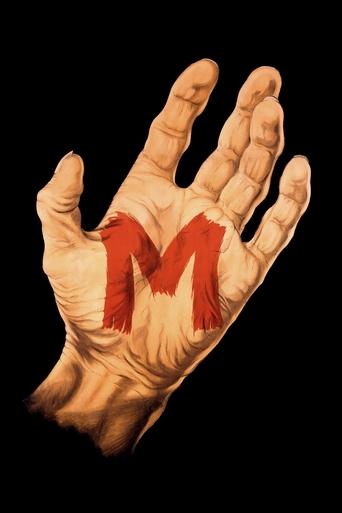
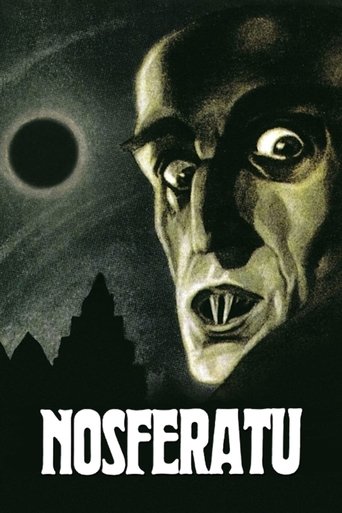
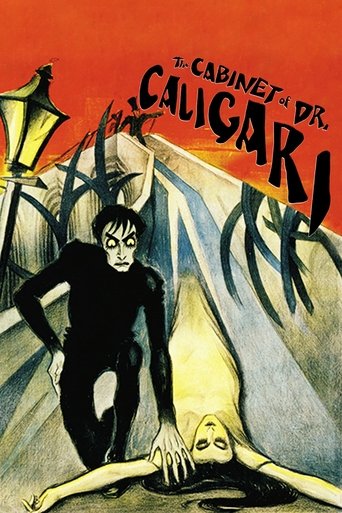
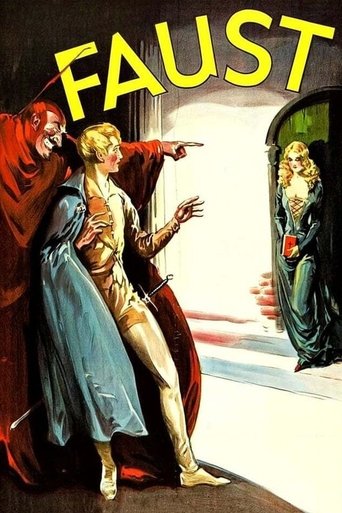
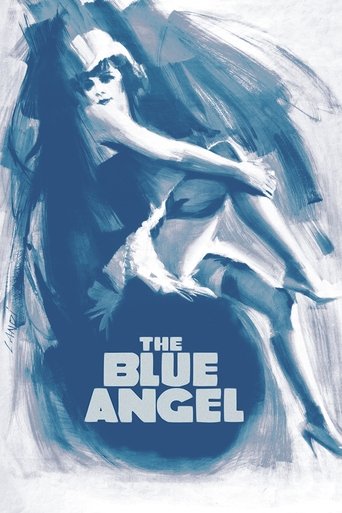
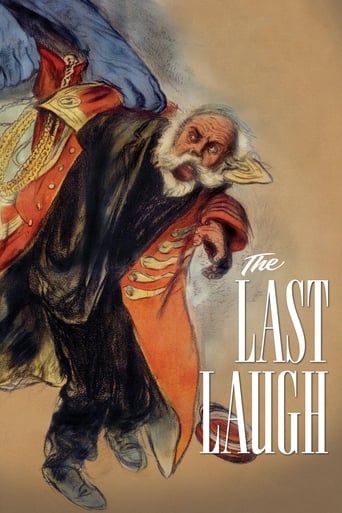
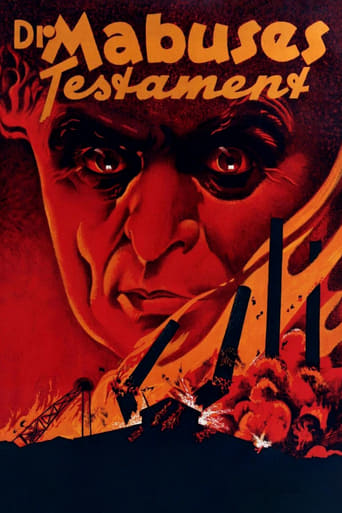
The first German selection is a course in silent and early sound cinema. Its oldest film, The Cabinet of Dr. Caligari from 1920, is the oldest title of the whole index, and its painted, crooked sets make it a landmark of German expressionism. Three directors share most of the selection. Fritz Lang made Metropolis in 1927, M in 1931 and The Testament of Dr. Mabuse in 1933; F. W. Murnau made Nosferatu in 1922, The Last Laugh in 1924 and Faust in 1926; Emil Jannings stars in The Last Laugh, Faust and The Blue Angel, the 1930 film with Marlene Dietrich.
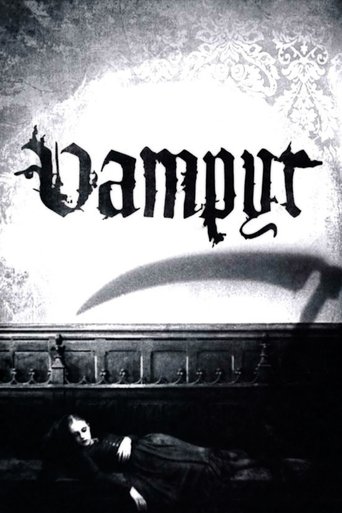
Metropolis and M share the best rating, 8.1, and Metropolis leads the votes with 3,245. The selection then jumps from the early 1930s to the mid 1950s, to the three Sissi films by Ernst Marischka. Sissi, Sissi: The Young Empress and Sissi: The Fateful Years of an Empress, from 1955 to 1957, follow Romy Schneider as the young Empress Elisabeth of Austria, with Karlheinz Böhm as the emperor. Vampyr, Carl Theodor Dreyer's dreamlike horror film of 1932, completes the twelve.
German movies from 1970 to 1999
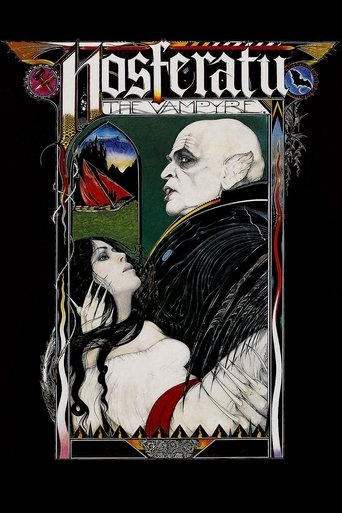
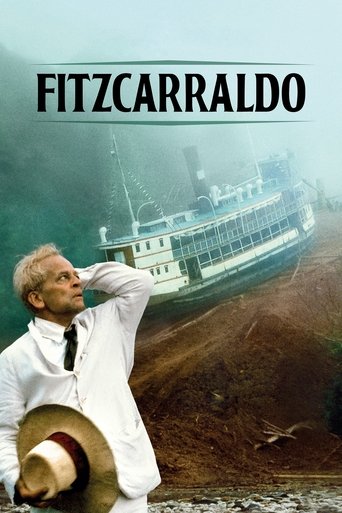
The second German selection is led by a family film: The NeverEnding Story, Wolfgang Petersen's fantasy of 1984, has 4,551 votes, the most of any German film in the index. Petersen also made Das Boot in 1981, the submarine drama that is the best rated film of this selection at 8.1. The New German Cinema of the 1970s is here too. Werner Herzog has three films, all with Klaus Kinski: Aguirre, the Wrath of God in 1972, Nosferatu the Vampyre in 1979 and Fitzcarraldo in 1982. Rainer Werner Fassbinder has Ali: Fear Eats the Soul from 1974, and Volker Schlöndorff has The Tin Drum from 1979.
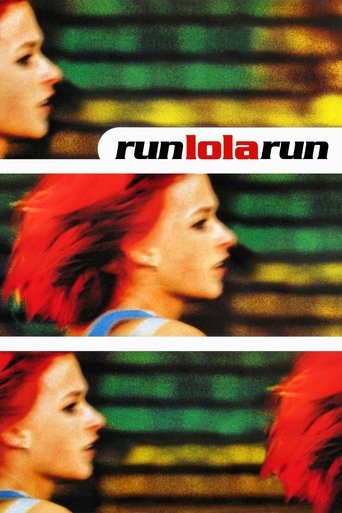
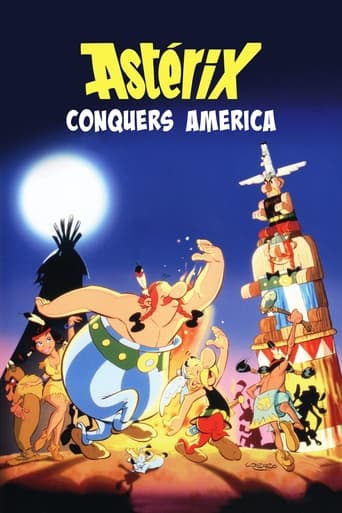
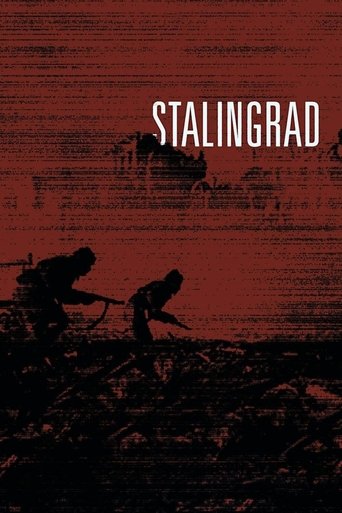
The 1990s bring a new tone. Run Lola Run, Tom Tykwer's eighty-minute race against the clock from 1998, is the second most voted film of the selection. Knockin' on Heaven's Door, from 1997, is a road comedy about two patients who escape from hospital to see the sea. Wings of Desire, Wim Wenders' film of 1987 about angels over Berlin, stars Bruno Ganz, who returns in Nosferatu the Vampyre and as Hitler in Downfall. The animated Asterix Conquers America and the war film Stalingrad complete the selection.
German movies from 2000 to 2013
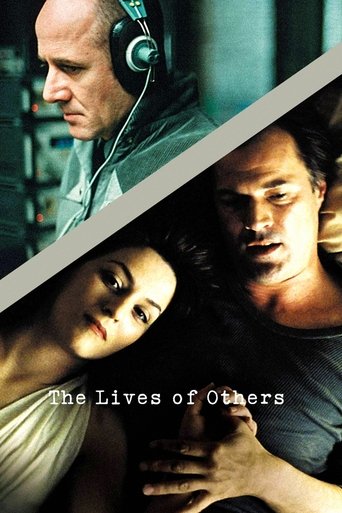
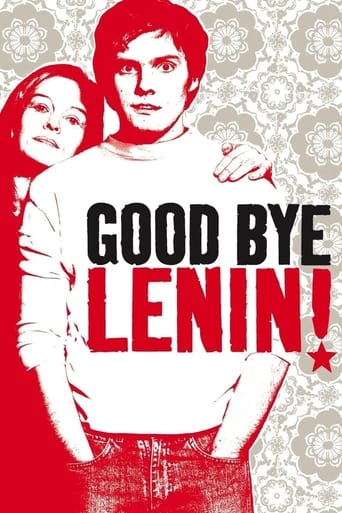
The third German selection looks back at the country's own history. Downfall, from 2004, follows the last days in the Berlin bunker and leads with 4,513 votes. The Lives of Others, from 2006, is the story of a Stasi officer listening to a playwright in East Berlin and has the best rating here, 8.0. Good Bye, Lenin!, from 2003, turns the end of East Germany into a comedy, and The Baader Meinhof Complex follows the Red Army Faction of the 1970s. The Counterfeiters tells of prisoners forced to forge currency in a concentration camp.
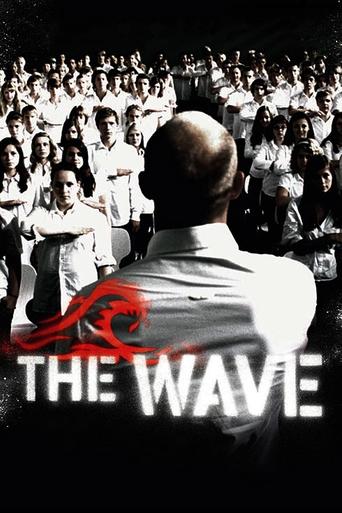
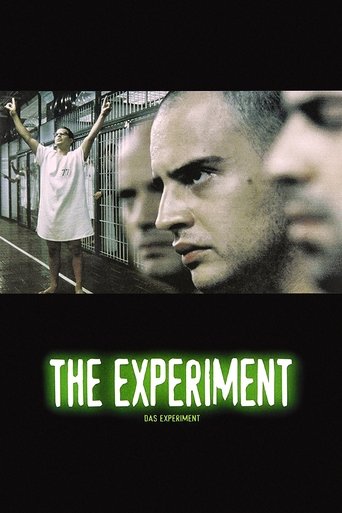
The rest of the selection is about the present. The Wave and The Experiment, directed by Dennis Gansel and Oliver Hirschbiegel, are thrillers about group pressure; Hirschbiegel also directed Downfall. Fatih Akin has two films, Head-On in 2004 and Soul Kitchen in 2009. Michael Haneke's The White Ribbon is set in a village before the First World War. The selection reaches 2013 with two films from that year, the time-travel fantasy Ruby Red and Free Fall, a love story between two police officers in training. Moritz Bleibtreu is the German actor of the index: he appears in Run Lola Run, Knockin' on Heaven's Door, The Experiment, The Baader Meinhof Complex and Soul Kitchen.
TV shows: three selections
The TV-Shows tab of the old home page becomes three selections of English-language series, grouped by the year each show first aired: 1959 to 1989, 1990 to 2004 and 2005 to 2013. The 36 shows hold 247 seasons and 4,689 dated episodes. The tab averages 8.11, the best of the five, and 27 of its 36 shows are rated 8.0 or more. Every show here has twelve seasons or fewer, so even the longest can be followed from the pilot to the finale; the longest of all is The Big Bang Theory, with 279 episodes in twelve seasons.
Show cards on Nabolister give the number of episodes where film cards give the running time, and every show page lists its seasons and episodes with their air dates. Some shows that began before 2013 continued long after it, and their pages follow them to the end: Game of Thrones closed in 2019, Peaky Blinders in 2022 and Black Mirror released new episodes as late as 2025.
TV shows first aired from 1959 to 1989
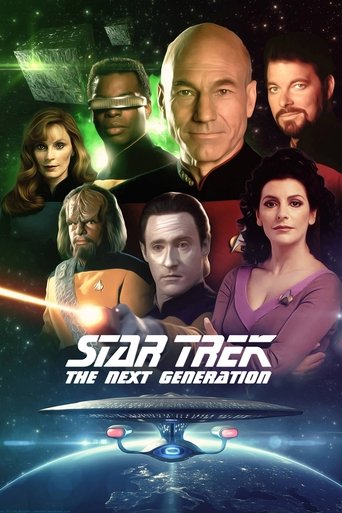
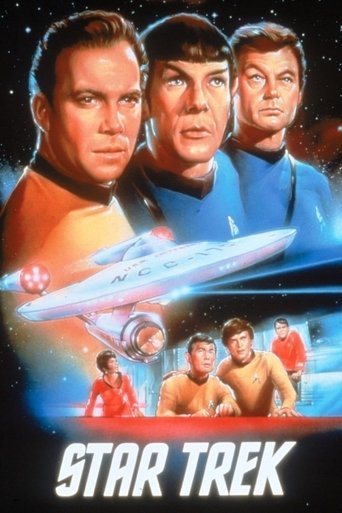
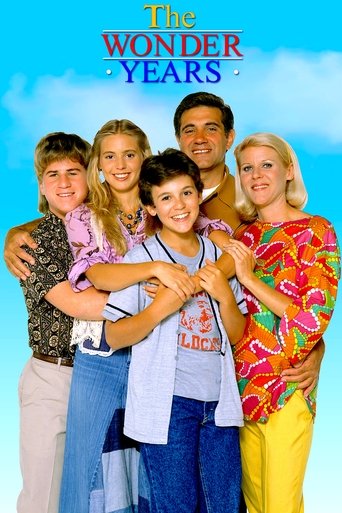
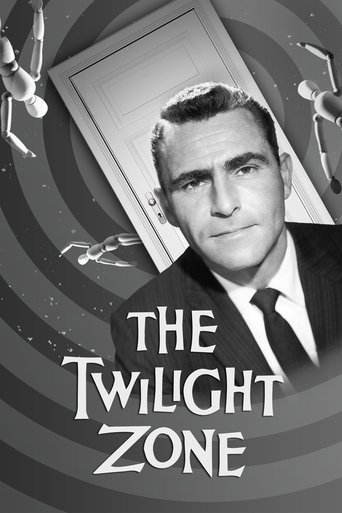
The first TV selection begins with The Twilight Zone, Rod Serling's anthology of 1959, which has the best rating of the selection, 8.5, across 156 episodes in five seasons. Star Trek followed in 1966 with three seasons, and Star Trek: The Next Generation returned to the same universe in 1987 for seven more; the newer series is rated 8.4, like The Wonder Years.
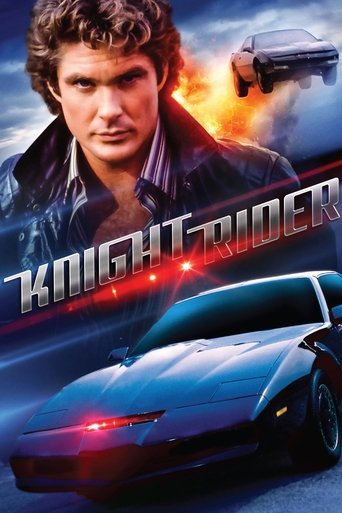
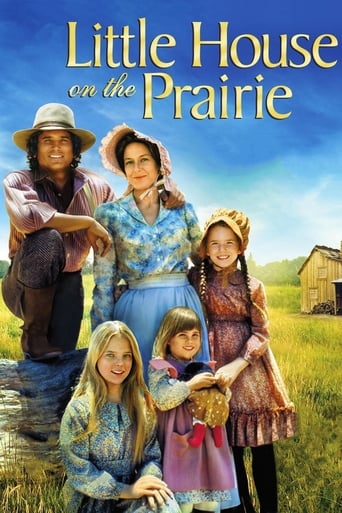
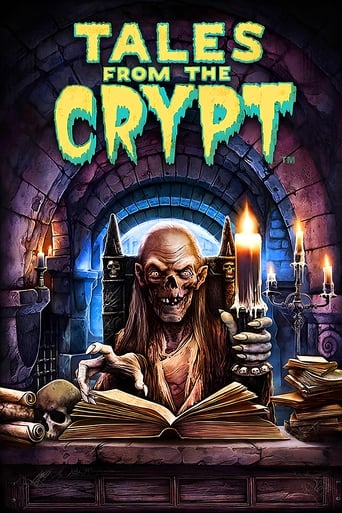
Most of the rest is the family television of the 1980s. Full House, ALF and The Wonder Years are family comedies, and Married... with Children is a family comedy with a much sharper tongue. Knight Rider and The A-Team are two of the action shows of the decade. Little House on the Prairie, from 1974, ran for nine seasons and 200 episodes. The selection closes in 1989 with two very different shows: Seinfeld, the most voted of the twelve with 2,491 votes, and Tales from the Crypt, the horror anthology introduced by a cackling puppet.
TV shows first aired from 1990 to 2004
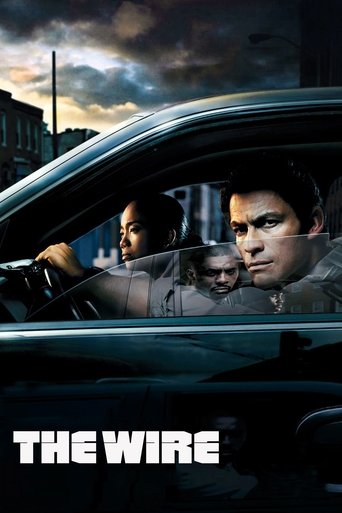
The second TV selection is rated 8.21 on average, and ten of its twelve shows reach 8.0 or more. Friends, from 1994, leads with 9,507 votes over ten seasons and 228 episodes. The cable dramas of HBO arrive here: The Sopranos, David Chase's series of 1999, is the best rated show of the selection at 8.7, and The Wire, David Simon's portrait of Baltimore from 2002, is rated 8.6, like Band of Brothers, the ten-episode war series of 2001.
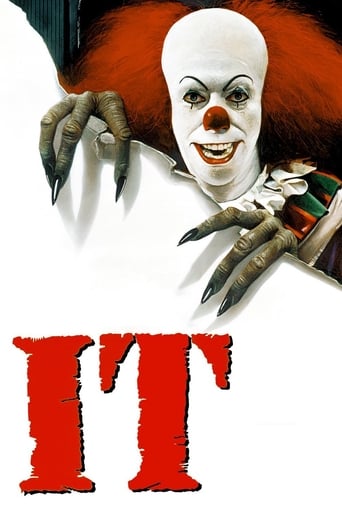
The same years brought the great mystery shows. The X-Files ran for eleven seasons from 1993, Twin Peaks began in 1990 and came back in 2017, and Lost, from 2004, kept its audience guessing for six seasons. House, also from 2004, is rated 8.6 across eight seasons of medical puzzles. Malcolm in the Middle, Smallville and Two and a Half Men complete the selection with family comedy and a young Superman, and the two-part miniseries It of 1990, with Tim Curry as the clown, is its shortest entry.
TV shows first aired from 2005 to 2013
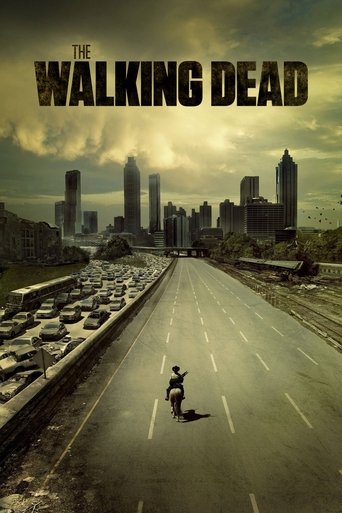
The last TV selection is the most voted part of the tab, with 139,630 votes. Game of Thrones leads with 28,025, and Breaking Bad, from 2008, has the best rating of the entire index, 9.0, across five seasons and 62 episodes. The Walking Dead follows with 18,307 votes; it was created by Frank Darabont, who also directed The Shawshank Redemption and The Green Mile in the English movies tab. Chuck Lorre co-created both The Big Bang Theory and Two and a Half Men, so his comedies sit in two TV selections at once.
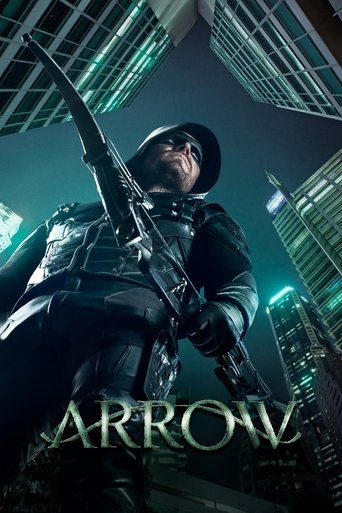
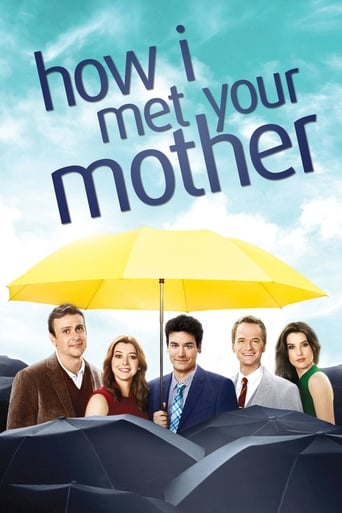
British television is strong here. Sherlock, with Benedict Cumberbatch, has twelve feature-length episodes rated 8.5; Peaky Blinders, from 2013, is rated 8.5 too; and Black Mirror, Charlie Brooker's anthology about technology, is rated 8.3. Vikings, also from 2013, is a co-production of Canada and Ireland. Prison Break, How I Met Your Mother, The Vampire Diaries and Arrow complete the twelve, and Arrow, rated 6.8, is the lowest rated TV show in the index.
Documentaries: two selections
Documentaries was the last named tab on the old home page, and it is the smallest here: 23 films in two selections, split at the year 2000. This is the only tab that crosses languages. Most of its films are in English, but it also holds a Soviet silent film, a Swedish one, two in French and one in Hebrew, since its selections were drawn from documentaries in every language. The films average 93 minutes, and the tab averages 7.69.
Documentaries from 1922 to 1999
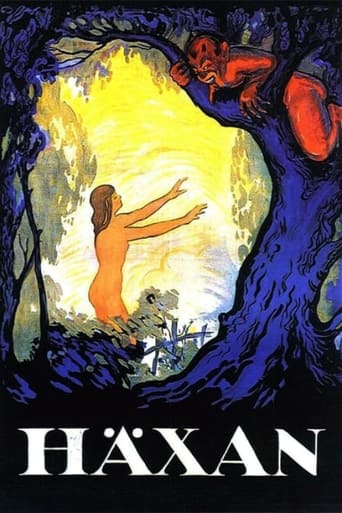
The first documentary selection holds eleven films from 1922 to 1999 and has the higher average of the two, 7.85. Its oldest film is Häxan, Benjamin Christensen's Swedish study of witchcraft from 1922, half essay and half staged horror. Man with a Movie Camera, Dziga Vertov's portrait of a Soviet city from 1929, leads the selection with 836 votes and has hardly a word of text on screen. Night and Fog, Alain Resnais' film of 1956 about the Nazi camps, is only 32 minutes long, the shortest film in the index, and has the selection's best rating after Stop Making Sense: 8.3 against 8.4.
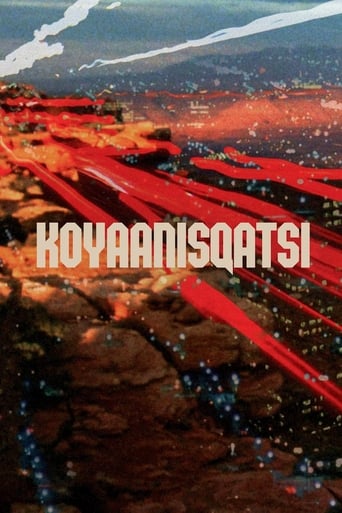
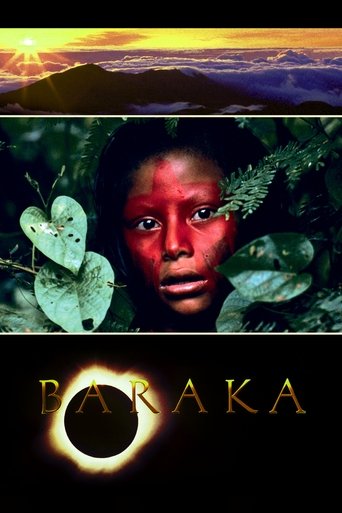
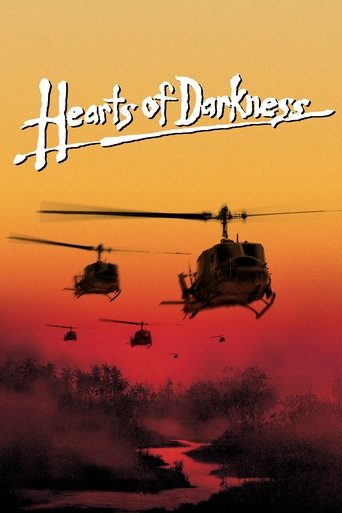
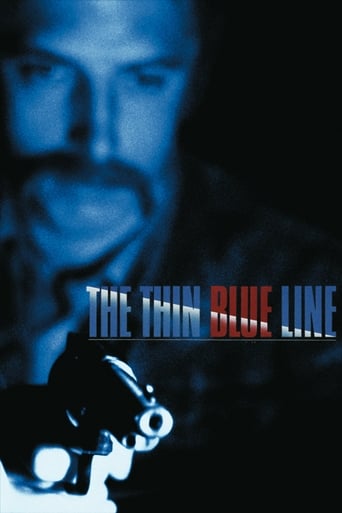
The 1980s and 1990s bring films that tried new forms. Koyaanisqatsi from 1983 and Baraka from 1992 tell their stories with images and music alone. The Thin Blue Line, Errol Morris' investigation of a murder case from 1988, mixes interviews with staged scenes. Stop Making Sense, Jonathan Demme's film of a Talking Heads concert from 1984, is the best rated documentary of the index at 8.4. Paris Is Burning records the ballroom scene of New York, Pumping Iron follows Arnold Schwarzenegger before Hollywood, Hearts of Darkness: A Filmmaker's Apocalypse follows the shooting of Apocalypse Now, and Buena Vista Social Club, by Wim Wenders, brings together veteran musicians of Havana.
Documentaries from 2000 to 2013
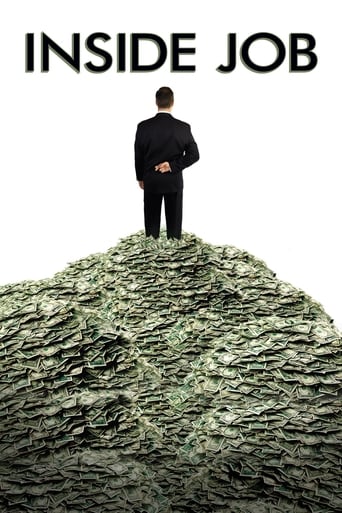
The second documentary selection holds twelve films from 2002 to 2013, and it is the selection of the argument. Super Size Me, Morgan Spurlock's month of fast food from 2004, leads with 1,854 votes. Michael Moore has two films, Bowling for Columbine in 2002 and Fahrenheit 9/11 in 2004, and Inside Job from 2010 explains the financial crisis of 2008. Blackfish, from 2013, questions the keeping of orcas in marine parks.
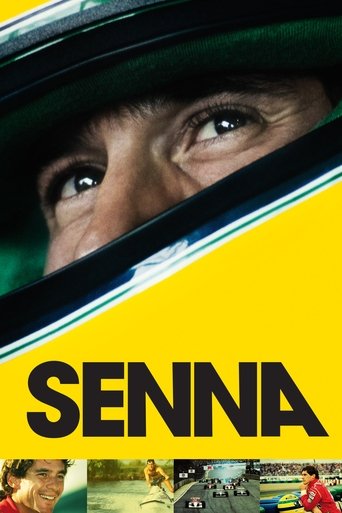
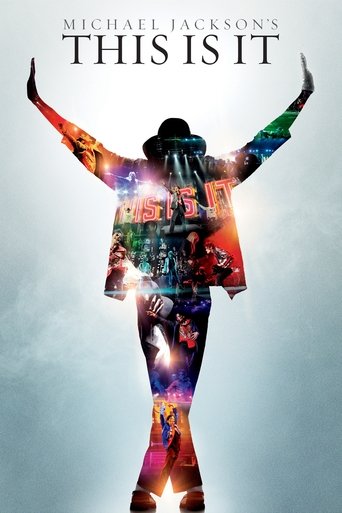
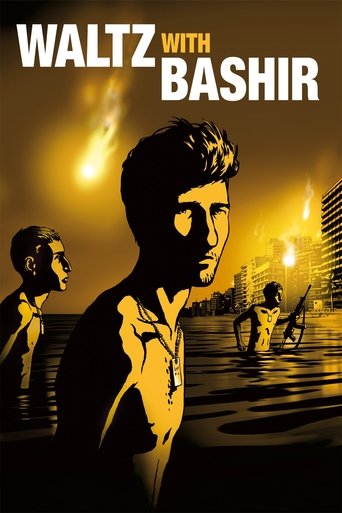
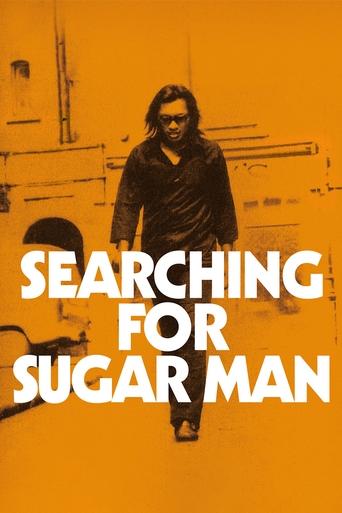
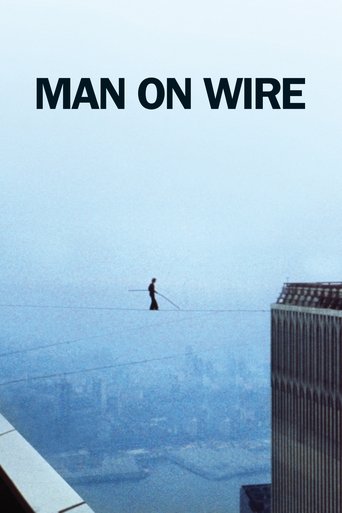
The selection is also about people. Senna, Asif Kapadia's film about the racing driver Ayrton Senna, is rated 8.1, second in this selection only to One Direction: This Is Us at 8.2. Man on Wire follows Philippe Petit's walk between the towers of the World Trade Center, and Searching for Sugar Man looks for a musician who became a legend in South Africa. March of the Penguins, Waltz with Bashir, an animated documentary about memory and war, and two music films, This Is It with Michael Jackson and One Direction: This Is Us, complete the twelve. Morgan Spurlock directed One Direction: This Is Us as well as Super Size Me.
Three more lists
Beside the fifteen selections, Nabolister keeps three cross lists. Animated gathers the ten animated titles of the index, from the six Disney features of the first English selection to The Lion King, Toy Story, Asterix Conquers America and Waltz with Bashir. The class of 2013 gathers the nine titles from the last year of the index: The Wolf of Wall Street, Peaky Blinders, Vikings, Blackfish, Ruby Red, One Direction: This Is Us, Free Fall, The Lunchbox and Chennai Express. Rated 7.5 or more gathers the 122 titles of the index with a TMDB rating of 7.5 or above, best first, with Breaking Bad at the top.
The five tabs side by side
Put side by side, the five tabs tell five different stories. English movies are the giants of the index: 48 films, 946,358 votes, an average of 8.07. TV shows are the best rated tab, with an average of 8.11 and 213,585 votes. German movies have the oldest films and four directors with three titles each, Fritz Lang, F. W. Murnau, Werner Herzog and Ernst Marischka. Hindi movies are the longest, 172 minutes on average, and the most centred on a few stars: Shah Rukh Khan appears in eleven of its 36 films. Documentaries are the most varied, five languages in 23 films.
The ratings follow the eras in different ways. In English movies, the best rated selection is 1980 to 1999, at 8.32. In Hindi movies, the ratings rise with each era, from 7.02 to 7.39 to 7.40. In German movies, the oldest selection is the best rated, at 7.58. In TV shows, the middle selection, 1990 to 2004, leads at 8.21. In documentaries, the older selection leads at 7.85.
Directors who return
An index built from votes rewards the directors whose films people keep rating, and fifteen selections are enough to show who they are. Ten directors have three titles each. In English movies they are Francis Ford Coppola with the two Godfather films and Apocalypse Now, Alfred Hitchcock with Rear Window, Vertigo and Psycho, Martin Scorsese with Taxi Driver, Shutter Island and The Wolf of Wall Street, Christopher Nolan with Inception and the two Dark Knight films, and Clyde Geronimi, one of the directors of Cinderella, Alice in Wonderland and Peter Pan. In German movies they are Fritz Lang, F. W. Murnau, Werner Herzog and Ernst Marischka, and in Hindi movies Karan Johar, with Kuch Kuch Hota Hai, Kabhi Khushi Kabhie Gham and My Name Is Khan.
Two directors cross from one tab to another. Wim Wenders appears in German movies with Wings of Desire and in documentaries with Buena Vista Social Club. Frank Darabont directed The Shawshank Redemption and The Green Mile and created The Walking Dead, so he sits in an English movie selection and a TV selection. Morgan Spurlock and Michael Moore each have two documentaries, and Rajkumar Hirani, Ashutosh Gowariker, Aditya Chopra, Yash Chopra and Hrishikesh Mukherjee each have two Hindi films.
Stars of the index
The actor with the most titles in the index is Shah Rukh Khan, who appears in eleven Hindi films across the second and third Hindi selections, from Dilwale Dulhania Le Jayenge in 1995 to Chennai Express in 2013. Amitabh Bachchan follows with seven, five of them in the first Hindi selection, and Aamir Khan with six, from Dil Chahta Hai and Lagaan to 3 Idiots. Kajol appears in four, all with Shah Rukh Khan.
Outside India, Leonardo DiCaprio and Moritz Bleibtreu lead with five titles each, DiCaprio in English movies and Bleibtreu in German movies. Tom Hanks, Morgan Freeman, Bruno Ganz and Klaus Kinski each appear in three; Freeman's third title is a documentary, as the narrator of the English version of March of the Penguins. Romy Schneider and Karlheinz Böhm share all three Sissi films, and Emil Jannings links three silent and early sound classics.
Reading the index like the old list pages
The old list pages of Nabolister described what they showed in one line: a type, a language and a span of years. This guide keeps that line. Every row on the home page is headed current selection, followed by the name of the selection, so you always know which tab and which years you are looking at. English movies from 1960 to 1979, Hindi movies from 2005 to 2013, TV shows first aired from 1990 to 2004: each heading is a small sentence that tells you what the twelve posters below have in common.
The years are the limits of the selection, and the films inside sometimes sit well within them. The first English selection runs from 1900 to 1959, but its oldest film is from 1938; the first Hindi selection runs from 1950 to 1989, but its oldest films are from 1957; the first German selection runs from 1920 to 1969, but its newest film is from 1957. Those gaps are information too. They show where the votes of today's viewers fall, and which years they have left for the curious to discover.
Choosing by the evening you have
Because each tab has its own length, Nabolister can also help you plan an evening. For a short night, the documentaries run 93 minutes on average and the German movies 114, and the index's shortest feature films, Bambi at 70 minutes and Vampyr at 74, are both under an hour and a quarter. For a long night, the Hindi tab is the place: Lagaan runs 233 minutes, Mohabbatein 216, Kabhi Khushi Kabhie Gham 209 and Sholay 208.
For a long winter, the TV tab offers whole seasons. Band of Brothers can be watched in ten evenings, Sherlock in twelve, Peaky Blinders and Black Mirror in a few weeks each. The Wire and Breaking Bad, five seasons each, fill a season of your own. The Big Bang Theory, Two and a Half Men and Married... with Children, with 279, 262 and 258 episodes, are the longest companions in the index.
How to read the board
The board on the home page, The fifteen selections, shows every selection as a tab. The small coloured word above each one names its family: blue for English movies, orange for Hindi movies, rose for German movies, sky blue for TV shows and yellow for documentaries, colours taken from the old site. Below it are the years of the selection and the number of titles. Hover over a tab and it turns gold, like the selected tab of the old home page; click it to jump to its row of posters on the same page.
Each poster card shows the rating on TMDB, the year, the family in blue on the poster and, below the title, the first genre with the running time for a film or the number of episodes for a show. The button on each row opens the full selection on its own page, and the five tabs in the menu open the families, each with every title of its selections, most voted first.
Where the selections meet
Some titles in the index answer each other across tabs and decades, and following those pairs is one of the pleasures of a small, fixed list. The clearest pair is the vampire. Murnau's Nosferatu of 1922 sits in the first German selection, and Herzog's Nosferatu the Vampyre of 1979, a remake made in homage, sits in the second, with Klaus Kinski in the role Max Schreck created. Watched back to back, the two films show fifty-seven years of German cinema in one story.
A second pair runs from English movies to documentaries. Apocalypse Now, from 1979, is in the second English selection, and Hearts of Darkness: A Filmmaker's Apocalypse, the 1991 documentary about its troubled shooting in the Philippines, is in the first documentary selection. Francis Ford Coppola appears in both, once behind the camera and once in front of it. In the same way, Michael Jackson's This Is It and One Direction: This Is Us sit together in the second documentary selection, two concert films from opposite ends of pop history.
Several stories return within a single selection. The Godfather and its sequel stand side by side in the second English selection, the two Lord of the Rings chapters and the two Dark Knight films in the fourth, and the three Sissi films fill a quarter of the first German selection. Star Trek appears twice in the first TV selection, as the original series of 1966 and as The Next Generation of 1987. And the Hindi tab has its own echo: Amitabh Bachchan, the star of Sholay, Deewaar and Don in the 1970s, returns as the stern patriarch of Kabhi Khushi Kabhie Gham and Mohabbatein in the second selection.
A walk through the decades
Reading the index decade by decade gives a different view of the same 179 titles. The 1920s belong to Germany: all seven titles of that decade are German films or documentaries from Europe, from The Cabinet of Dr. Caligari to Man with a Movie Camera. The 1930s are shared between Fritz Lang, Carl Theodor Dreyer and Josef von Sternberg on one side and Disney and Hollywood on the other, with Snow White and The Wizard of Oz. The 1940s hold four titles, all English: Pinocchio, Citizen Kane, Bambi and Casablanca.
The 1950s are the most international of the early decades, with thirteen titles: Hitchcock and the Disney features, the Sissi films, Mother India and Pyaasa, and Night and Fog. After the thin 1960s, the 1970s bring 23 titles, from The Godfather and Star Wars to Sholay and the films of Herzog and Fassbinder. The 1980s hold 20 and the 1990s 26, and the 2000s are the busiest decade with 51 titles, nearly a quarter of them TV shows. The 2010s stop after four years with 26 titles, nine of them from 2013.
The last year of the index
The year 2013 closes every one of the five tabs with titles of its own. In English movies it is The Wolf of Wall Street, Scorsese's three-hour comedy of greed with Leonardo DiCaprio. In Hindi movies it is a pair, the road comedy Chennai Express and the quiet letters of The Lunchbox. In German movies it is another pair, the fantasy Ruby Red and the love story Free Fall. In TV shows, two series that would run far beyond the index both began that year: Peaky Blinders in Britain and Vikings in Canada and Ireland. Among the documentaries, 2013 brought Blackfish and One Direction: This Is Us. Together these nine titles form the list The class of 2013, a snapshot of what the last year of the old index had to offer in every tab.
Searching Nabolister
The search box at the top of every page looks through titles, alternative titles and cast names. Type Casablanca to go straight to the film, Sholay or Shah Rukh Khan to find the Hindi classics, or Sherlock to reach the show. Hindi and German films are listed under the English titles used by TMDB, such as Like Stars on Earth or The Lives of Others, and their original titles are searchable too. The A–Z page lists all 179 titles in alphabetical order, which helps when you remember only the first word of a title.
Watch now on Nabolister
Every title page has a Watch now button. It opens the title on JustWatch for the country you choose, where you can see which official services offer it to stream, rent or buy where you live. Offers change over time, and the button always opens the current JustWatch page for the title. Nabolister itself is a guide and an index; the watching happens on the official services.
My list on Nabolister
The My list button on every title page saves that title to a personal list kept in your browser. It stays on the device you use, and you can add or remove titles at any time. A good way to use it is to pick one title from each of the five tabs, or one from each of the fifteen selections, and work through them one evening at a time.
Nabolister on a phone
On a small screen the menu moves behind the gold button in the top corner, the board of selections folds into two or three columns, and each row of posters arranges itself in fewer columns. Title pages, lists and the A–Z page all read comfortably on a phone.
Where the data comes from
Titles, synopses, cast, directors, genres, ratings, vote counts, running times, seasons and episodes come from TMDB, the community film and television database. Ratings and votes keep changing; the figures on this page reflect October 2026. The selections themselves were made once, with the rules described above, and they stay fixed at 2013 even as the ratings move.
Short guides on Nabolister
Every part of the index has a short help page. Begin with Start with Nabolister, then read The fifteen selections for the rules. Each tab has its own guide: English movies, Hindi movies, German movies, TV shows and Documentaries. The cross lists are explained in Three more lists, the numbers in The figures, the people in The directors and The stars, and the design in The look of Nabolister.
For practical help there are Search tips, Watch now, My list, On your phone, Titles and languages and Where the data comes from.
Frequently asked questions
For a first visit to Nabolister, take one title from each tab. Casablanca or The Godfather from English movies, Dilwale Dulhania Le Jayenge or 3 Idiots from Hindi movies, Metropolis or The Lives of Others from German movies, The Twilight Zone or Breaking Bad from TV shows, and Stop Making Sense or Senna from the documentaries. Five evenings, five tabs, and the whole shape of the index from 1920 to 2013.
Questions
What is Nabolister?
Nabolister is an index of 179 movies and TV shows up to 2013, arranged in fifteen selections across five tabs: English movies, Hindi movies, German movies, TV shows and documentaries.
Why does the index stop at 2013?
The list pages of the original site read from year 1900 to year 2013, and this guide keeps that limit, so every title first came out in 2013 or earlier.
How is a selection made?
Each selection holds the most voted titles of its language and era on TMDB, rated 6.0 or more, after a short hand screening; most selections hold twelve titles.
Which title has the best rating?
Breaking Bad, with 9.0, followed by The Godfather, The Shawshank Redemption and The Sopranos with 8.7.
Which is the oldest title?
The Cabinet of Dr. Caligari, from 1920, in the first German selection.
Which is the longest film?
Mera Naam Joker, Raj Kapoor's Hindi film of 1970, at 248 minutes.
How many TV episodes are there?
The 36 TV shows hold 247 seasons and 4,689 dated episodes, listed on each show page.
Which actor appears most often?
Shah Rukh Khan, in eleven Hindi films; outside India, Leonardo DiCaprio and Moritz Bleibtreu appear in five titles each.
Where can I watch these titles?
Press Watch now on a title page to open JustWatch and see the official services in your country.
Where is My list kept?
In your browser, on the device you use.
